Exploring Humanity Through the Lens of Albert Kahn's Museum
Exploring the emotional connection to humanity through the lens of Albert Kahn's museum and its diverse photographic archives.
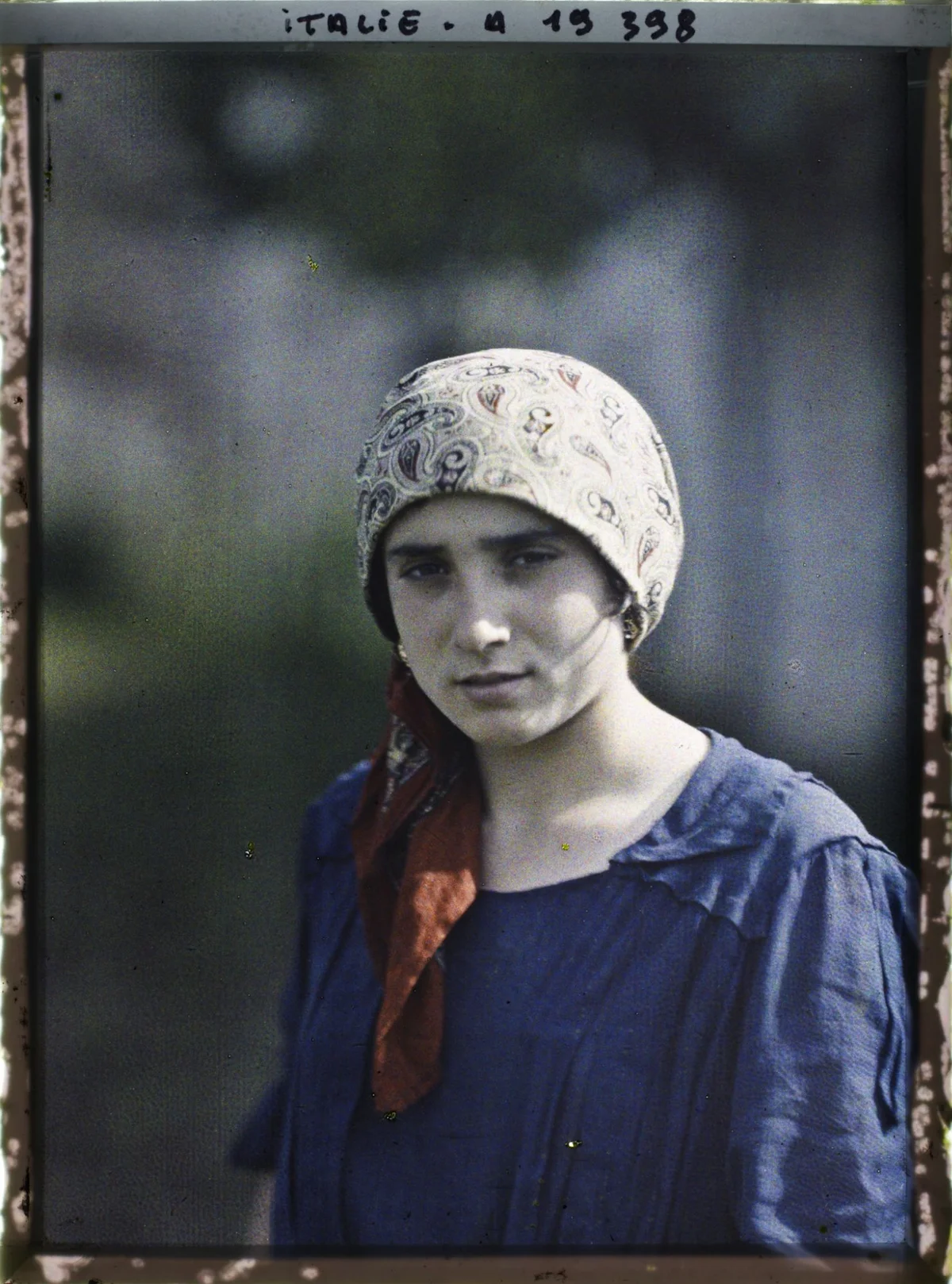
The profound emotions evoked by the sight of our fellow beings—fragile yet dignified, radiant yet hopeful—are truly remarkable. This connection we share is a testament to our shared humanity.
When viewed from a cosmic perspective, humans appear strikingly similar to one another. Yet, for those of us living this experience, the fundamental unity is often overlooked in favor of the rich tapestry of diversity that defines our existence. We have honed the ability to discern the subtle differences that set individuals apart, celebrating the magnificent variety that exists among us.
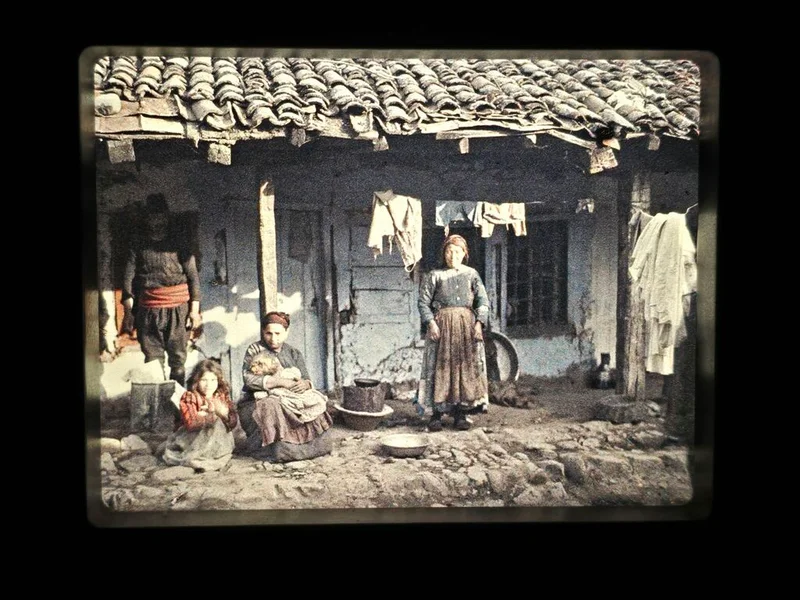
Within the extensive collection of photographs and films known as the Archives de la planète, compiled between 1908 and 1931 under the guidance of Albert Kahn, lies a profound narrative. This collection serves as a grand family album, illustrating the myriad aspects of our shared humanity. It transcends the traditional boundaries between anthropology and ethnology, capturing the essence of what it means to be human.
Through the confluence of thousands of still and moving images from around the globe, we observe that there is no clear division between the unity of our species and its diversity. The defining characteristic of homo sapiens—the species that has evolved to dominate—lies in its remarkable adaptability. Humans have the unique capacity to embrace various rites, customs, beliefs, and modes of existence, each intricately shaped by the diverse environments they inhabit. This adaptability is the core of our identity, manifesting through the rich diversity of cultures and practices.
Yet, when we gaze upon the faces captured in these images—often beautiful visages of men and women long returned to dust—there exists an undeniable closeness and emotional resonance. Regardless of their origins, age, attire, or status, each face reflects a brother or sister, a kindred spirit inviting us to look deeper into our own souls. Their eyes connect with ours, prompting introspection and a sense of shared experience.
Despite their myriad differences, these individuals are strikingly alike in their expressions of joy, pride, fatigue, or indifference. Regardless of their adornments or postures, they reveal a transparency that underscores our shared vulnerability. They stand before us, both ephemeral and profoundly moving, inviting us to witness their existence.
The emotions stirred by the sight of our fellow humans—those who are acutely aware of their own fragility yet stand resiliently in the face of life—may indeed offer a definition of humanity itself.
The Albert Kahn departmental museum, recently revitalized, is located in Boulogne-Billancourt, near a bend in the Seine, on the site of Kahn's former estate. In addition to its remarkable collection of photographs and films, the museum boasts a stunning garden.
An illustration from 1918 by Fernand Cuville features a young girl photographed in Vicenza, Italy. The original is an autochrome on glass plate, cataloged as A 19 398.
In the realm of musical accompaniment, Bayaty by George Gurdjieff, beautifully rendered by Anja Lechner and Vassilis Tsabropoulos, serves as a fitting tribute. Gurdjieff's work, particularly in music, encapsulates the harmony of unity within diversity.