Mystical Glamour: The Enigmatic Beauty of Shamans in K-Dramas
Explore the captivating portrayal of shamans in K-Dramas, focusing on their evolving aesthetics and significance in storytelling, blending spirituality with modern narratives.
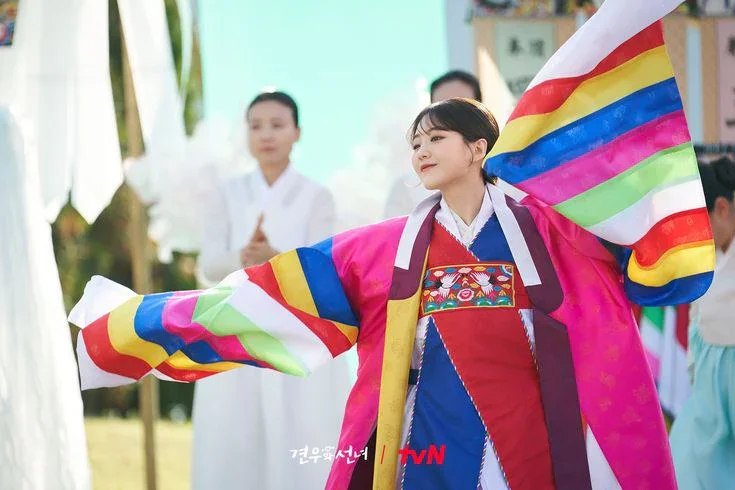
Have you ever encountered the figure of a shaman in a K-Drama?
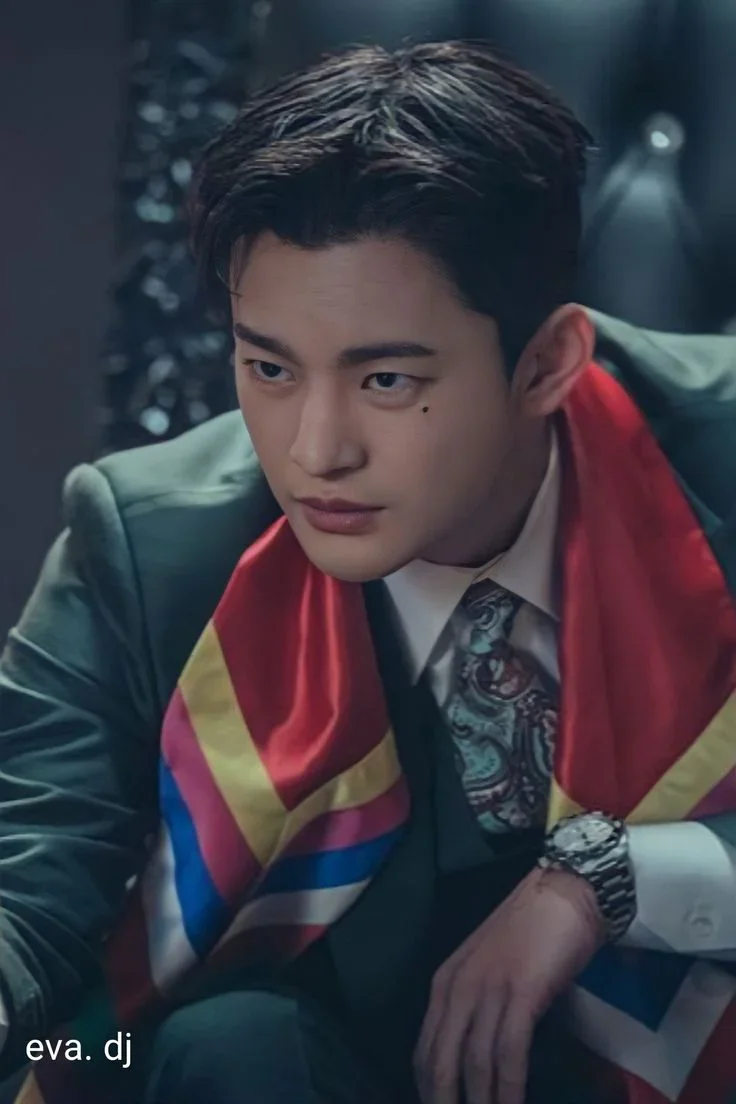
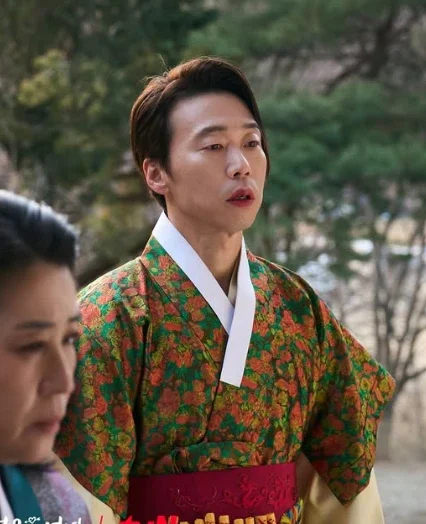
The first time I saw one, I found the character peculiar, unsure of their identity or role. However, as episodes unfolded and appearances multiplied, I gradually developed an understanding. Among the various portrayals, it is the female shamans that continue to captivate me the most.
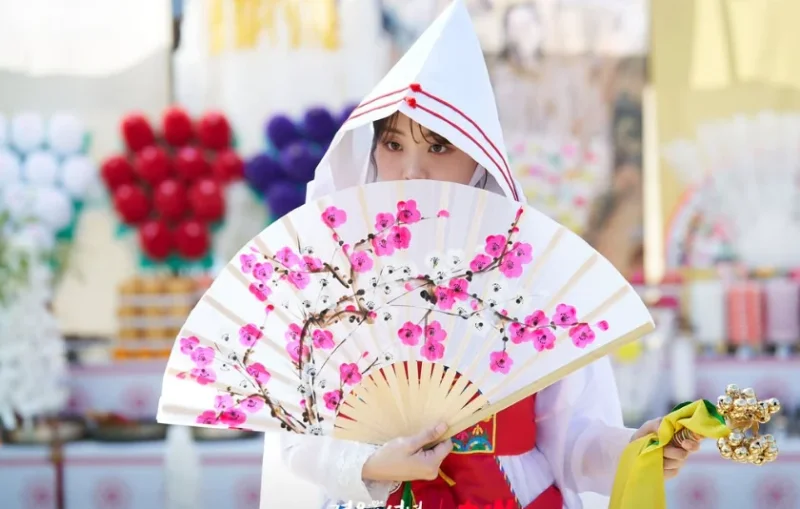
Shamans have long held a mysterious and magnetic presence in the collective imagination: women capable of communicating with spirits, reading destinies, and acting as a bridge between the human realm and the invisible. While earlier K-Dramas depicted them in a disheveled, folkloric, or even eccentric manner, there is now a true renaissance—both in narrative and aesthetics.
Shamans in Asia: Myth, Religion, and Sacred Femininity
In many Asian cultures, the shaman embodies feminine power and the ability to mediate between worlds. Although traditions vary from country to country, several elements remain consistent: ritual, dance, spirit contact, and a deeply symbolic aesthetic.
Korea – The Mudang Mudang are Korean shamans who are still active today. Since ancient times, during the Three Kingdoms period, they have led rituals known as gut, rich in music, vibrant colors, and ritual movements. Despite often being marginalized, they were viewed as channels of healing and wisdom.
Japan – The Miko Within the Shinto context, miko were priestess-mediums capable of entering trance states (kamigakari) to communicate with kami. Today, they perform ceremonial roles at shrines, yet their mystical origins remain vivid.
China – The Wu Wu were shamans from the pre-imperial era who engaged in dances, exorcisms, and divinatory practices often linked to nature. Over time, they were marginalized by Confucianism but remain historical symbols of female strength and spiritual vision.
Shamans in Drama: Styles, Makeup, and New Narratives
In K-Dramas and Korean films, the shaman figure is increasingly prevalent, with their appearance becoming a powerful narrative device.
What are the key elements of the "shaman makeup"?
- Bold Eyes → to convey a gaze that "sees beyond"
- Intense or Bright Colors → aura, power, energy
- Red Lips → command, seduction, strength
- When there is an absence of makeup → pure ritual, sacred anonymity
In these dramas, makeup is never merely decoration. It serves as language, identity, and ritual, communicating role, energy, and sometimes even the social or spiritual standing of the character.
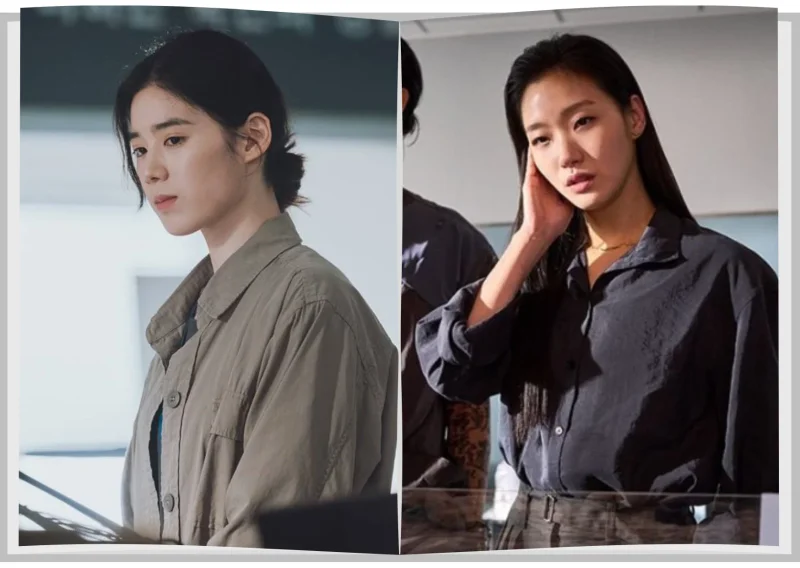
The Guest (2018) & Exhuma (2024) In these narratives, shamans are immersed in horror atmospheres: minimal makeup, severe expressions, and ritual garments. The aesthetic is stripped down and functional, designed to evoke power and tension.
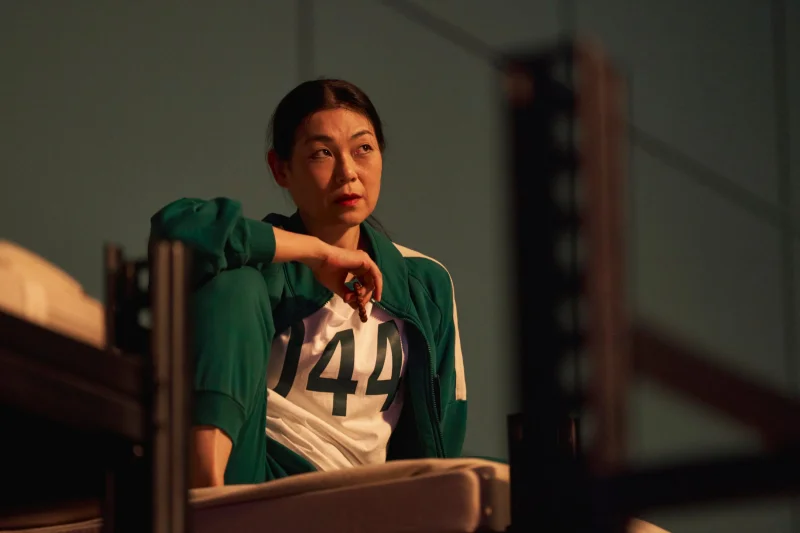
Squid Game (2025) – Seon-nyeo, Player 044 Essential makeup: natural skin, lightly tinted lips, pulled-back hair. The eyeliner is the only pronounced element, emphasizing authority and mystery.
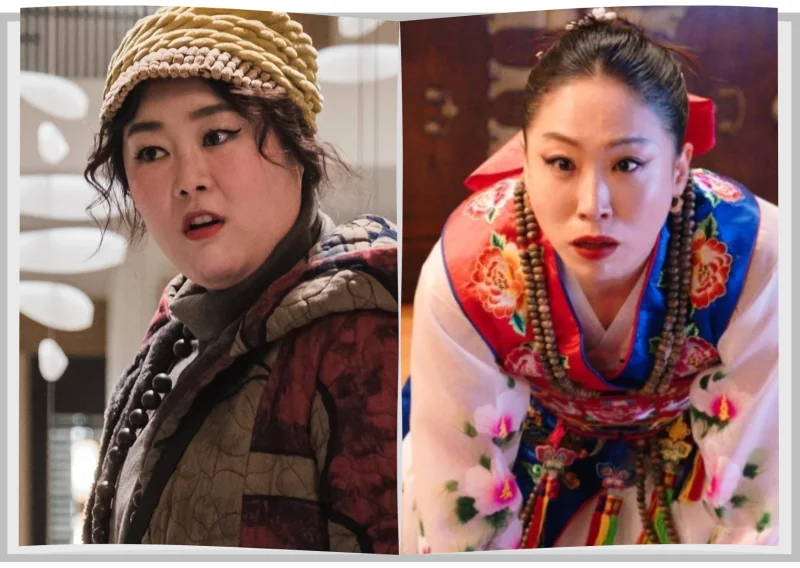
Hi Bye, Mama! (2020) & Oh My Ghost Clients (2025) Shamans appear with understated yet deliberate makeup: even skin tone, full red lips, and prominent eyeliner. This look is more contemporary, almost a “modern caricature” of the traditional figure, blending spirituality with lightness.
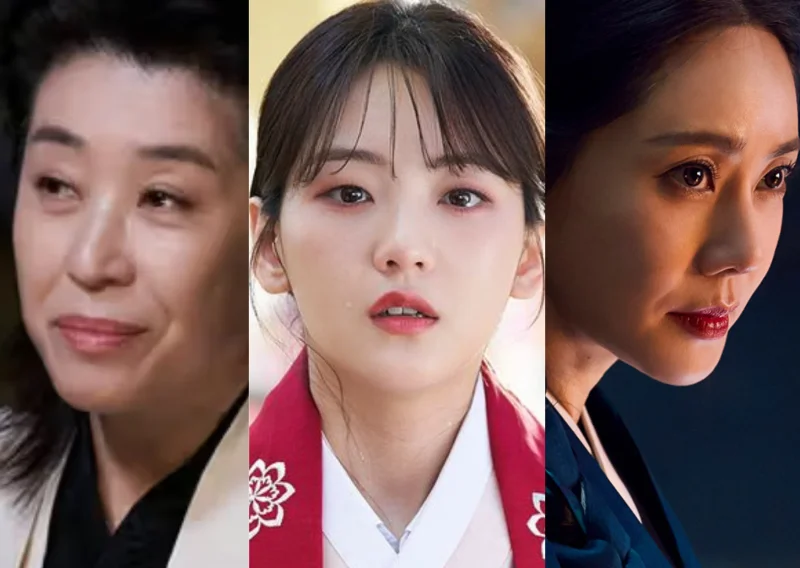
Head Over Heels (2025) In this drama, the shaman protagonist is modern, elegant, and mysterious. Her makeup is flawless: smooth base, colorful eyeshadow, and defined lips, with meticulously separated eyelashes to open her gaze. Her style reflects a strong, magnetic, and spiritual femininity. The protagonist's adoptive "spiritual" mother and the shaman Yeom Hwa also showcase well-groomed and intensely feminine looks: where ritual meets glamour.
No longer seen as "eccentric," but rather as captivating. Not just a medium, but also an icon. 🖤
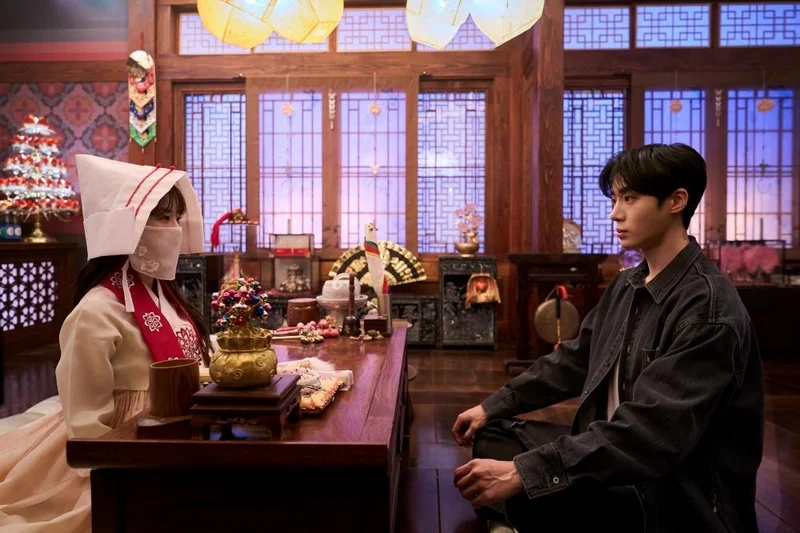
Between 2024 and 2025, an increasing number of K-Dramas and films are rediscovering ancient shamanic traditions to tell new, exciting, and deeply human stories. Audiences in Korea and beyond are drawn to this blend of mystery, spirituality, and emotion. Shaman-themed dramas are far from a passing trend: real young shamans are gaining visibility on social media, while major Korean stars increasingly choose roles connected to this realm.
Global platforms like Netflix and Prime Video are playing a crucial role in disseminating this content, making it accessible to an international audience.
Today, shamanism in dramas is no longer confined to the horror genre: it is evolving into a powerful narrative tool capable of addressing profound themes such as family, healing, loss, and connection to one’s roots.
They have transitioned from mysterious, folkloric figures to complex, fascinating, powerful protagonists, and their looks reflect this journey. From the shadows of myth… to the radiant reflection of eyeliner.
MINI KIT
To recreate the "mudang look" of Park Seong-A in "Head over Heels":
(CLICK ON THE IMAGES TO DISCOVER THE PRODUCTS! 🩷)
Super even base with MISSHA BB Cream
Lips, cheeks, and the outer contour of the eyes with Fwee's pudding pot
(the RS04 shade is ideal). Be sure to outline the lips well with a brush!

Rom&nd Palette to apply glitter on the upper and lower eyelids and add some definition with browns to the outer crease of the eye.


Remember that you can find these and many other useful makeup products to recreate the look in our store in Montecosaro Scalo. Come by to discover products inspired by this mystical world!✨
Did you enjoy this journey through makeup and mystery?