Neill Blomkamp's AI Short Film "Nightborne": A Glimpse into the Future of Cinema?
Neill Blomkamp's "Nightborne" raises questions about the future of cinema with its AI-generated visuals and narrative. Is this the dawn of a new era for filmmaking?
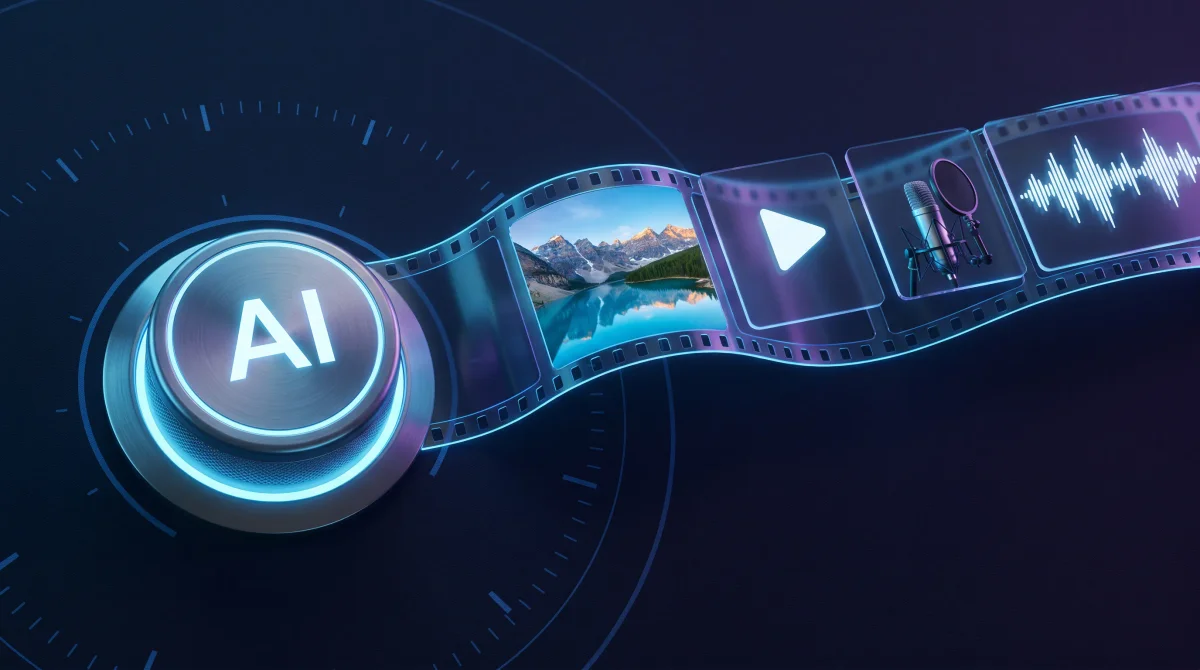
Neill Blomkamp, renowned for films like "District 9" and "Elysium," has stirred a significant conversation in Hollywood with his latest release, "Nightborne." This 13-minute science fiction horror film is notable for being entirely generated by artificial intelligence. Blomkamp envisions a future where he can create an entire feature film using this technology, raising questions about the evolution of filmmaking.
The Story Behind "Nightborne"
"Nightborne" follows a U.S. Army pilot who is shot down and declared dead. Her husband holds a funeral for an empty casket, but secret recordings suggest she may not be gone for good. The narrative unfolds within a covert military program aimed at sending fallen soldiers back to the battlefield. Blomkamp employs a documentary style, interspersing interviews and purportedly recovered footage to piece together the chilling tale.
This film reflects Blomkamp's consistent themes of science fiction intertwined with military technology and social issues. However, the method of production marks a significant departure from traditional filmmaking.
The Creation of the AI Film
According to Blomkamp, every visual in the short was generated using Seedance 2.0, an AI video model from ByteDance. The director provided specific prompts to guide the AI in generating images scene by scene. Despite the claim that the film was "completely made by AI," human involvement was crucial; concept artists created visual templates, and 32 real individuals contributed their faces and voices, with contractual agreements in place.
"Nightborne" is the inaugural project from Barley Studios, Blomkamp's new venture into AI-driven film production. This concept echoes his previous work with Oats Studios, where he explored experimental short films, albeit with traditional actors and filming techniques.
The Significance of "Nightborne" for the Film Industry
While AI-generated videos are becoming increasingly common, Blomkamp's approach is noteworthy because it seeks to tell a coherent story over a longer format, rather than merely utilizing AI for brief effects or advertisements. If feature films can be produced in this manner, it could drastically alter production costs and workflows, potentially democratizing access to high-quality visuals for smaller production companies.
This experiment, despite its visible flaws, highlights the rapid advancements in AI video technology. It doesn't offer a flawless model for the future but demonstrates the potential for storytelling through AI.
Limitations of Artificial Intelligence
At first glance, "Nightborne" appears visually impressive, yet closer inspection reveals typical issues associated with AI-generated content. Movements can seem unnatural, background text may lack coherence, and facial expressions occasionally shift subtly between shots. The artificiality of voice modulation also detracts from character authenticity.
The film's rapid cuts help to mask these shortcomings but simultaneously hinder emotional engagement with the characters. This remains a significant hurdle: a film requires not only striking visuals but also believable characters, relatable emotions, and a compelling narrative rhythm. Critics, including those from "The Verge," have noted that, despite its technical sophistication, the film feels impersonal and lacks Blomkamp's distinctive creative touch.
The Impact of AI on Employment in Film
As AI technology evolves, concerns about job displacement within the film industry grow. If studios can generate images, voices, or entire scenes artificially, the demand for actors, camera operators, set designers, and visual effects specialists may diminish. Additionally, unresolved issues regarding copyright and training data complicate the landscape, as many AI models are trained on extensive collections of existing images and films, often without clear consent from original creators.
In "Nightborne," there is a transparent approach regarding the use of real people’s likenesses, as their participation was secured through contracts. However, whether this model will ensure fair working conditions in larger productions or ultimately lead to job losses remains uncertain.
Is "Nightborne" a True Film or Merely a Technological Experiment?
Blomkamp refers to "Nightborne" as a comprehensive test, which accurately captures its essence. The film possesses a plot, characters, editing, and a deliberate documentary style. However, it primarily serves as a proof of concept for the viability of generative AI in crafting extended narratives.
While the film's horror elements are somewhat effective, the execution falters due to the artificiality of its characters and dialogue, creating a sense of distance.
The more pressing question may not be whether "Nightborne" is a cinematic masterpiece, but rather how these tools will evolve in the coming years and what filmmakers will achieve with them.
Where to Watch "Nightborne"
The short film, running approximately 13 minutes, was released on Barley Studios' YouTube channel in July 2026 and is available for free viewing. As for a full-length AI film, Blomkamp has expressed intentions to create one, but details regarding its title, cast, distributor, or streaming service remain undisclosed. Thus, "Nightborne" is not a trailer for an already completed film but a trial run for a potential larger project.
Conclusion: Revolution or Fascinating Interim Step?
"Nightborne" does not yet revolutionize cinema, as its technical limitations and emotional disconnect are too pronounced. However, it demonstrates that generative AI can produce more than just isolated images or brief clips. Under the guidance of an experienced director, it is possible to weave together a longer, coherent story.
Ultimately, the quality of future films will not solely depend on technology but on the narratives that humans choose to tell, the fairness with which all participants are treated, and whether AI serves to enhance human creativity or simply replaces numerous tasks.
Blomkamp's endeavor is neither the demise of cinema nor its definitive future. It stands as a controversial and intriguing milestone, potentially heralding a transformative era in the film industry.