
The Dark Satire of Fallout: A Reflection on Modern Society
Exploring the dark satire of the series Fallout, which critiques modern society and the relationship between government and corporate power.
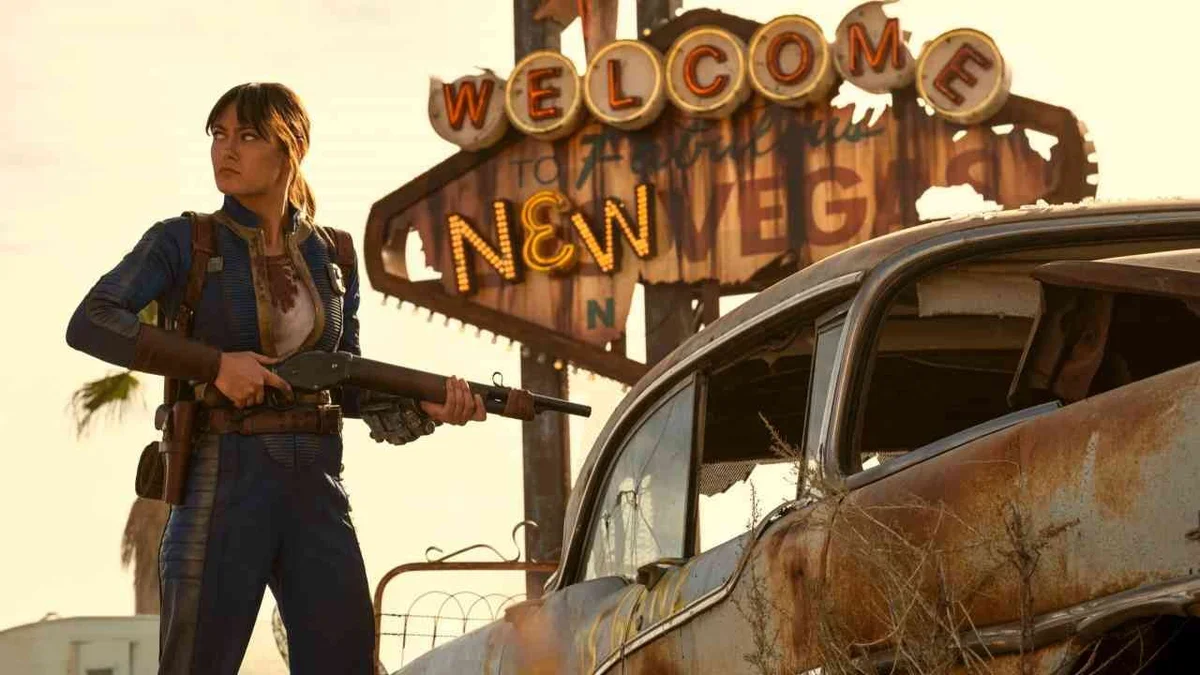
The ability of the American film industry to craft narratives that entertain while simultaneously critiquing the socio-political landscape is nothing short of remarkable. This duality is especially evident in series like Fallout, which, beneath its satirical surface, offers a chilling commentary on the potential pitfalls of our current economic system.
In Fallout, we are introduced to a dystopian America, ravaged by nuclear war two centuries prior, echoing the early 1960s. The series follows the intertwined journeys of three distinct characters, each uniquely compelling. The grotesque portrayal of a world steeped in violence and abandonment is both unsettling and thought-provoking. The narrative illustrates a hellish landscape reminiscent of a Jérome Bosch painting, where survival is a privilege reserved for a select few who found refuge in the vaults during the initial attacks.
The crux of the story reveals the insidious relationship between the federal government and Vault-Tec Corporation, the architect of the underground shelters. Rather than mere sanctuaries, these vaults serve as experimental grounds for social psychology, where the government collaborates with tech and defense companies to develop techniques for mass control. This grim reality mirrors the manipulative nature of today’s social media platforms, which, under the guise of serving their users, often ensnare them in invisible chains.
The series critiques the hubris of mega-corporations that, while claiming to aid humanity, are actually pursuing control under the pretense of enhancing human existence. This narrative serves as a modern-day parable, akin to the Lettres persanes or a tale from Voltaire, highlighting the irony of a corporation like Amazon—one of the key players in this unfolding future—producing and distributing such a poignant critique.
What’s particularly striking is the system's ability to foster critical voices and transform them into authentic creative works. These creations, while designed to attract and engage, also provide a moment of lucidity amidst the entertainment, leaving audiences in anticipation of the next episode or season, much like the ongoing subscription to a modern Vault-Tec experience.
In the words of Lenin, "What is to be done?"—a question that resonates as we navigate this complex interplay of entertainment and enlightenment in our contemporary world.