
The End of an Era: Why the Cancellation of 'Ein Fall für zwei' Strikes at the Heart of TV History
ZDF has decided to cancel 'Ein Fall für zwei' after 46 years, marking the end of a significant chapter in German TV history. The series has been a staple of Friday night programming, and its departure raises questions about the loss of long-running formats in modern television.
The End of an Era: Why the Cancellation of 'Ein Fall für zwei' Strikes at the Heart of TV History
Reading time: 4 minutes
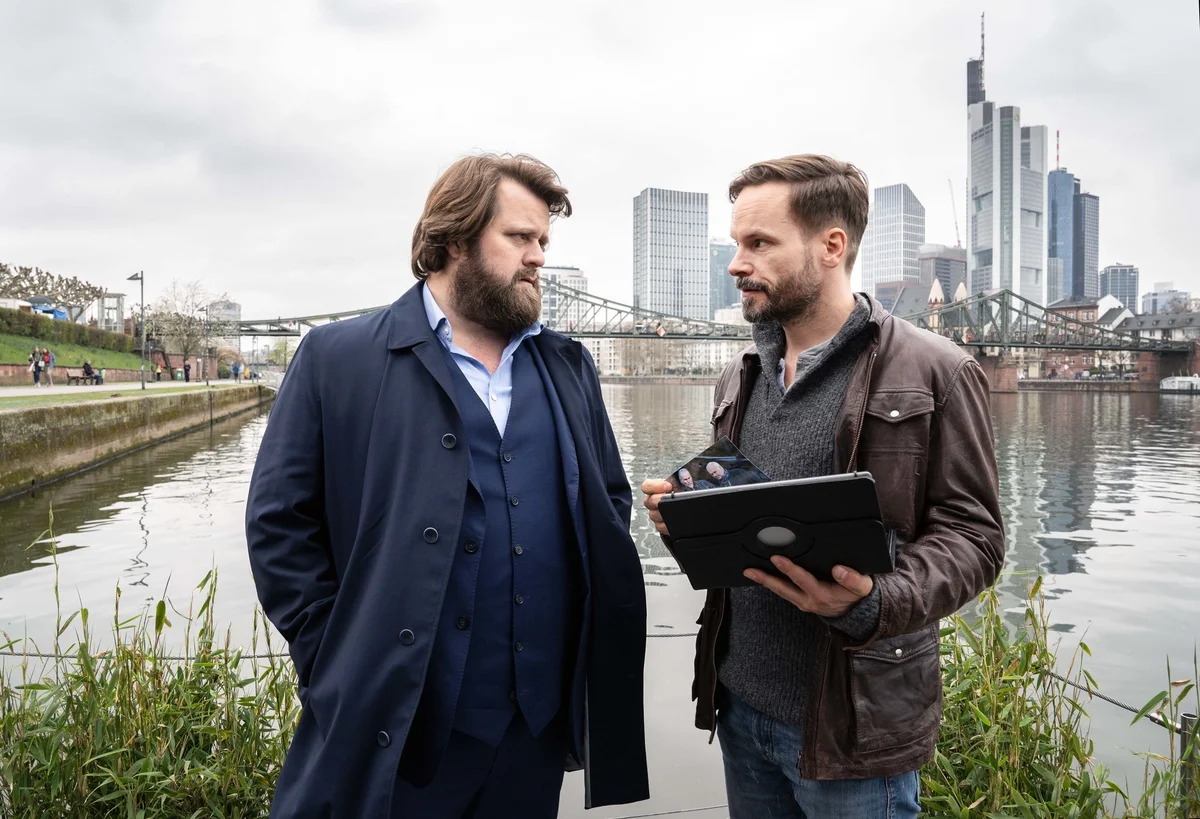
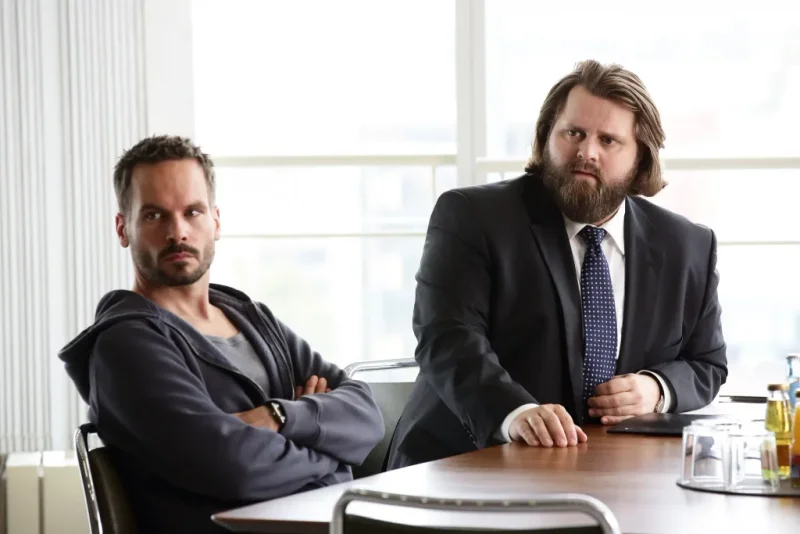
For 46 years, "Ein Fall für zwei" has been a cherished ritual for viewers: Friday evenings spent on the couch, greeted by familiar faces from Frankfurt on screen. However, ZDF has decided to pull the plug on this iconic crime series. The final season, consisting of four episodes, is set to air in 2027, followed by a 90-minute concluding film. This marks a poignant farewell before the lights dim in the interrogation room for good. Wanja Mues, portraying private detective Leo Oswald, and Antoine Monot as lawyer Benni Hornberg will be the last investigators in a series that has accompanied multiple generations.
The ZDF has described this decision as one made "after careful consideration." While this may sound clinical, for many fans, it feels like a stab to the heart of the beloved Friday night crime tradition.
The Legacy of 'Ein Fall für zwei'
"Ein Fall für zwei" was never just another crime show. It began in 1981 with Josef Matula, initially a police officer and later a private detective. Claus Theo Gärtner, with his rugged face, deep voice, leather jacket, and haze of cigarette smoke, defined the image of the German TV investigator like few others. He remained a fixture for over 300 episodes, while various lawyers came and went, providing him with cases to solve. His departure in 2013 marked the end of an era.
In 2014, the series was revived with a new setting and a new duo, officially branded as "a completely new series" while retaining the original title. Since then, Monot and Mues have teamed up for 46 episodes, balancing humor and seriousness, all while maintaining that familiar Friday night crime atmosphere. This blend of routine and character has sustained the series for decades, making its impending end all the more painful.
Why Is ZDF Cancelling This Classic?
Officially, the ZDF has stated that it aims to continue the Friday night crime tradition with a "stronger focus on fewer formats." This translates to a shift away from established favorites in favor of new brands. In the past, series like "Der Kommissar," "Derrick," "Siska," and "Der Staatsanwalt" were staples of the programming. Today, only "Der Alte" remains in the traditional segment, alongside newer series like "Die Chefin" and the recently launched "Mordufer," which aims to expand the ZDF's crime landscape into the picturesque Bodensee region.
Despite the business rationale behind programming decisions, it seems paradoxical: public broadcasters should ideally provide a safe haven for long-standing series, especially those that have been a formative part of viewers' lives. Instead, yet another piece of cultural identity is sacrificed in the name of modernity.
What Is Lost with the End of Such Long-Running Formats?
The cancellation of "Ein Fall für zwei" signifies more than just the loss of another crime show. Such classics serve as anchors in an increasingly fast-paced, loud, and interchangeable media landscape. They offer a sense of reliability: viewers tune in and instantly know where they are—whether it's in Frankfurt, in a car, at a bar, or in a courtroom. Characters like Matula, Oswald, and Hornberg have become companions for audiences over decades.
When these formats disappear, television loses a piece of its collective memory. Rather than nurturing established series, audiences are often presented with interchangeable crime worlds: different cities, different detectives, but the same underlying drama. While viewers can engage with these shows, they seldom leave a lasting impact. It is particularly disheartening that this type of long-term storytelling is becoming increasingly rare. Instead of growing old alongside beloved characters, audiences are expected to continuously adjust to new faces that vanish after a few seasons.
Is a Single Concluding Film a Worthy Farewell?
The planned 90-minute film in 2027 is intended to "bring the story to a worthy conclusion." This is at least an attempt to provide fans with a satisfying endpoint. Main actor Antoine Monot emphasizes that the "personal journey for Mues and Monot" will continue—such as through collaborative stage projects like the live audio play "Pater Brown." For the two actors, this is not an end, but rather a transition to a new chapter.
Nonetheless, viewers are left with a bittersweet feeling. One film can hardly compensate for what has been built over 46 years. It feels more like a polite handshake at the grave of a long-standing TV relationship. Ultimately, the impression remains that yet another classic is quietly exiting the stage, making way for new formats, while each departure takes with it another piece of television history—quietly, but irrevocably.