The Murder of Rachel Nickell: A Netflix Documentary Unveils a Tragic Case
A young mother is murdered in broad daylight, leaving her two-year-old son as the only witness. The Netflix documentary reveals how investigators focused on the wrong man while the real killer remained free.
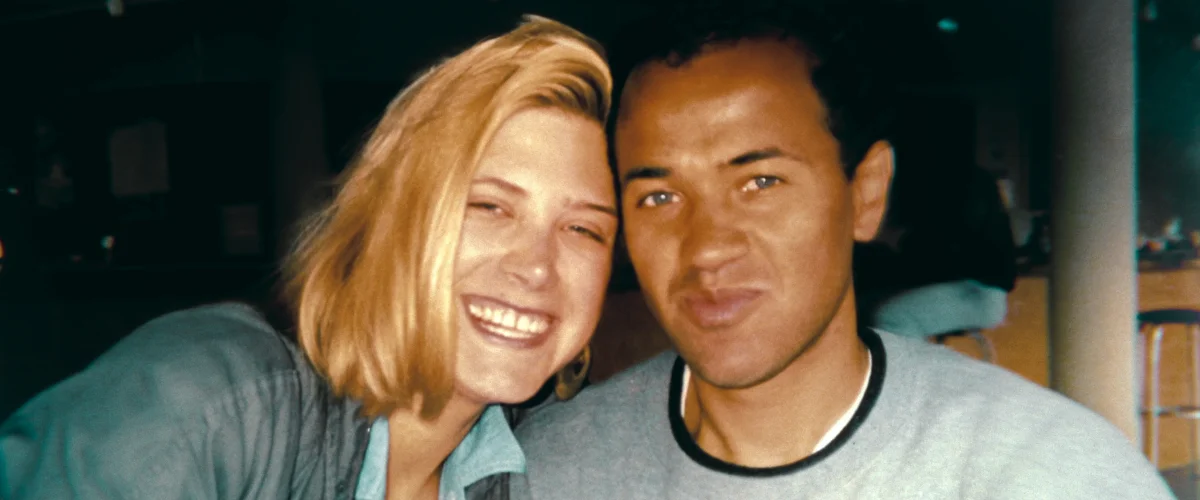
On July 15, 1992, Rachel Nickell set out for a walk on Wimbledon Common in southwest London with her two-year-old son Alex and their dog. It was a bright summer day, but soon after, the 23-year-old mother was found dead, leaving her young son as the sole witness to the horrific event.
The case shocked Britain, yet the quest for justice spiraled into one of the nation's most significant police scandals. Investigators fixated on a suspect without any forensic evidence linking him to the crime, allowing the real perpetrator to remain at large.
The Netflix documentary "The Murder of Rachel Nickell" chronicles the lengthy journey toward uncovering the truth. It delves into not just the crime itself, but also the false accusations and questionable investigative methods that left a lasting impact on those who had to cope with the aftermath.
Overview of "The Murder of Rachel Nickell"
This 96-minute documentary, directed by BAFTA-nominated Lucy Bowden, combines archival footage with fresh interviews. Key figures include Rachel's partner André Hanscombe, her son Alex, former investigators, forensic experts, and Colin Stagg, the man initially deemed the prime suspect.
Rather than sensationalizing the crime, the film focuses on how a high-pressure investigation narrowed its scope to a singular theory, ultimately misdirecting efforts away from the actual culprit.
Colin Stagg Under Investigation
In the aftermath of the murder, the police released a composite sketch and created a psychological profile of the suspect. Several tips pointed to Colin Stagg, a local man who frequented Wimbledon Common.
However, the absence of forensic evidence linking Stagg to the crime did not deter investigators. They initiated an elaborate undercover operation, during which an officer posed as a woman attracted to violent fantasies, attempting to elicit incriminating statements from him.
Stagg engaged with this fabricated persona but maintained his innocence regarding Rachel Nickell's murder. Nevertheless, he was arrested and charged.
A Controversial Sting Operation
When the case went to trial in 1994, the judge ruled the statements obtained through the undercover operation as inadmissible. This method had not produced reliable evidence but rather aimed to coerce a confession from a pre-selected suspect.
Without these statements, the prosecution lacked a solid foundation, leading to the collapse of the case against Colin Stagg. Although legally exonerated, Stagg was socially condemned, living under the shadow of suspicion for years. It was only much later that the Metropolitan Police publicly apologized and compensated him for the wrongful accusation.
The documentary highlights the devastating effects of a premature judgment. Stagg not only lost his freedom during the investigation but also faced years of stigma that hindered his ability to lead a normal life.
The Real Culprit Remained Free
While the police focused on Colin Stagg, Robert Napper evaded scrutiny despite prior indications of his violent behavior. Napper would later be committed to a high-security psychiatric facility for other severe crimes.
Investigators noted parallels between Napper's documented actions and Rachel Nickell's murder, yet it took years for the case to be re-examined with modern forensic techniques.
In 2002, a review of the existing evidence led to significant breakthroughs. Specialists developed methods to analyze the small amount of genetic material collected from the crime scene.
These advancements ultimately pointed to Robert Napper as the true perpetrator.
Justice Delayed
In 2007, Napper was charged with Rachel Nickell's murder. The following year, he pleaded guilty to manslaughter on grounds of diminished responsibility and was ordered to remain indefinitely in the Broadmoor high-security hospital.
Thus, after 16 years, the identity of Rachel Nickell's murderer was confirmed. This late resolution underscored the extensive errors made in the investigation. While an innocent man was wrongfully accused, critical leads pointing to Napper had been overlooked. A subsequent review by the British police oversight body cited numerous serious misjudgments and missed opportunities.
The case serves as a cautionary tale about the dangers of an investigation that fails to question a singular narrative.
Alex Hanscombe: The Sole Witness
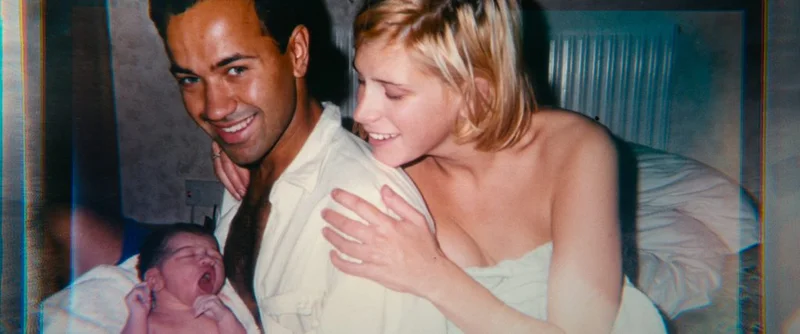
The story of Rachel's son Alex is particularly heart-wrenching. At just two years old when his mother was murdered, the police initially sought to gather information from him with the help of a child psychiatrist. However, due to his age, Alex could only share fragmented impressions of the event.
To protect his son from further questioning and media attention, André Hanscombe, Alex's father, decided to leave the UK, seeking a quieter life away from the public eye.
Decades later, both father and son participated in the Netflix documentary, providing a perspective often overlooked in earlier narratives—the viewpoint of the bereaved.
Alex Hanscombe discusses not only the trauma of losing his mother but also the bond with his father, who prioritized his son's well-being over his own suffering.
Netflix's Dual Portrayal
Netflix presents the case through two distinct productions. "The Murder of Rachel Nickell" is a documentary featuring archival footage, interviews, and forensic commentary. Complementing this is the three-part drama series "The Witness."
"The Witness" draws from the experiences of André and Alex Hanscombe, as well as Alex’s memoir, "Letting Go." This series focuses on the aftermath of the tragedy: coping with loss, media pressure, and the flawed police investigation.
For those seeking to understand the case's facts, starting with the documentary is advisable, followed by the drama series that adds the personal narratives of father and son.
The Significance of the Documentary
"The Murder of Rachel Nickell" is not merely another true crime story. It confronts the death of a young mother, the trauma experienced by a child, and a law enforcement failure that irrevocably altered lives.
This documentary succeeds in portraying Rachel Nickell as more than just a victim within a sensational crime narrative. It illuminates the profound consequences of the crime and the relentless public pressure faced by her family.
Furthermore, the film raises an essential question: What happens when investigators abandon impartiality in pursuit of a suspect, focusing solely on gathering evidence against a favored individual?
The Rachel Nickell case exemplifies the peril of such tunnel vision. Although the truth was eventually uncovered, it came far too late.
Streaming Information for "The Murder of Rachel Nickell"
"The Murder of Rachel Nickell" has been available on Netflix since June 4, 2026, with a runtime of approximately 96 minutes. The accompanying drama series, "The Witness," also streams on Netflix.
Conclusion
"The Murder of Rachel Nickell" offers more than just a tale of seeking justice. It reveals how public pressure, dubious psychological profiling, and investigative tunnel vision led to the persecution of an innocent man.
At the same time, the film allows Rachel Nickell's family to share their story from their own perspective, making the documentary both poignant and more human than many productions that focus primarily on the perpetrator.
This compelling true crime film explores a tragedy whose repercussions extend far beyond the crime scene itself.