
The Weight of Destiny and Politics in Cacoyannis' Iphigénie
Exploring the themes of destiny and political power in Michel Cacoyannis' film _Iphigénie_, contrasting it with the classical narratives of the Atrides.
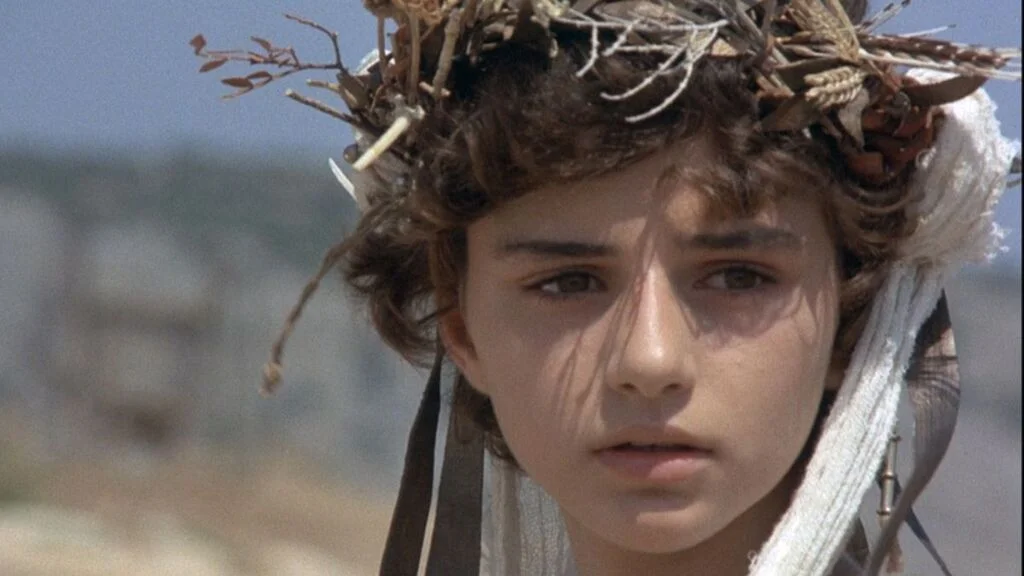
The complex narrative surrounding Agamemnon and his family, the Atrides, has long intrigued scholars and audiences alike. The works of Aeschylus in The Oresteia, along with those of Sophocles and Euripides, present a multifaceted exploration of this tragic lineage, often leading to a nuanced understanding of Agamemnon's character. Yet, the question remains: why is Agamemnon depicted in a somewhat redemptive light despite his grave transgressions?
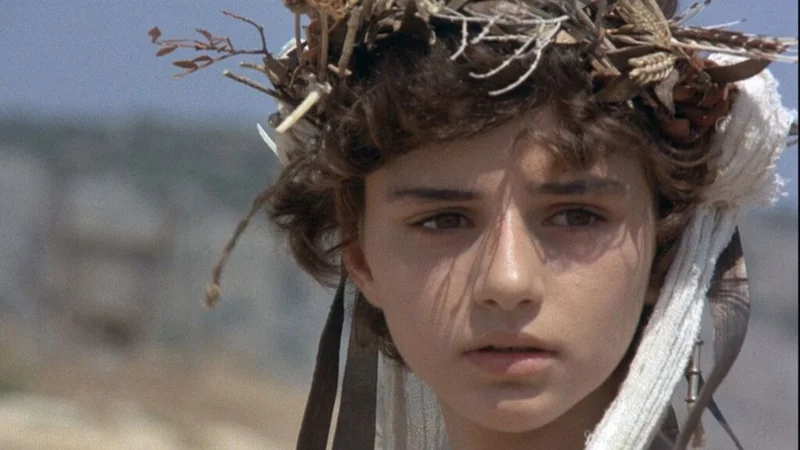
One aspect that often puzzles is the intense animosity Electra and Orestes harbor towards their mother, Clytemnestra. While it is true that she murdered Agamemnon, her actions stem from a place of vengeance for the death of her daughter, Iphigénie. This raises a profound moral question: who can truly blame Clytemnestra for seeking retribution against the man who sacrificed his own child to appease the gods and ensure the Greek fleet could sail to Troy? The backdrop of this tragedy is the pursuit of honor for Menelaus, Agamemnon's brother, whose wife, Helen, was taken by Paris, igniting the infamous Trojan War.
It is often overlooked that Helen not only survived the fall of Troy but also reconciled with Menelaus, leading a seemingly normal life thereafter, as if their tumultuous past had not unleashed chaos upon the world.
While Helen and Menelaus find solace, Orestes and Electra take justice into their own hands, culminating in the murder of Clytemnestra and her lover, Aegisthus. The Oresteia delves into the themes of fate and divine justice, as Athena intervenes to break the cycle of violence that has plagued the Atrides since the time of Atreus. This heavy burden of destiny is a focal point for classical authors, as well as for contemporary interpretations like Jean-François Sivadier's Portrait de famille.
However, Michel Cacoyannis offers a different lens through his remarkable film Iphigénie. Rather than solely emphasizing familial fate, Cacoyannis highlights the political dimensions at play, reflecting on the relentless forces that crush any resistance. The narrative suggests that even if Agamemnon had summoned the courage to defy Calchas and save his daughter, the collective will of the army—driven by a virile desire for vengeance—would ultimately prevail. This underscores a harrowing reality: the men, spurred on by Ulysses, would forcibly take Iphigénie from Clytemnestra to fulfill their grim objective.
Cacoyannis’ sensitive portrayal reveals that neither the courage nor the compassion embodied by Iphigénie and Clytemnestra can triumph over the collective cowardice of the men, who are depicted as willing to sacrifice their humanity in pursuit of revenge against women.
The performance of The Oresteia is scheduled for the end of May 2026. Let it be known!