
Ginger: The Root of Sacred Fire
Ginger, a root steeped in mysticism, symbolizes transformation and vitality. This article explores its spiritual significance and uses in rituals across various traditions.
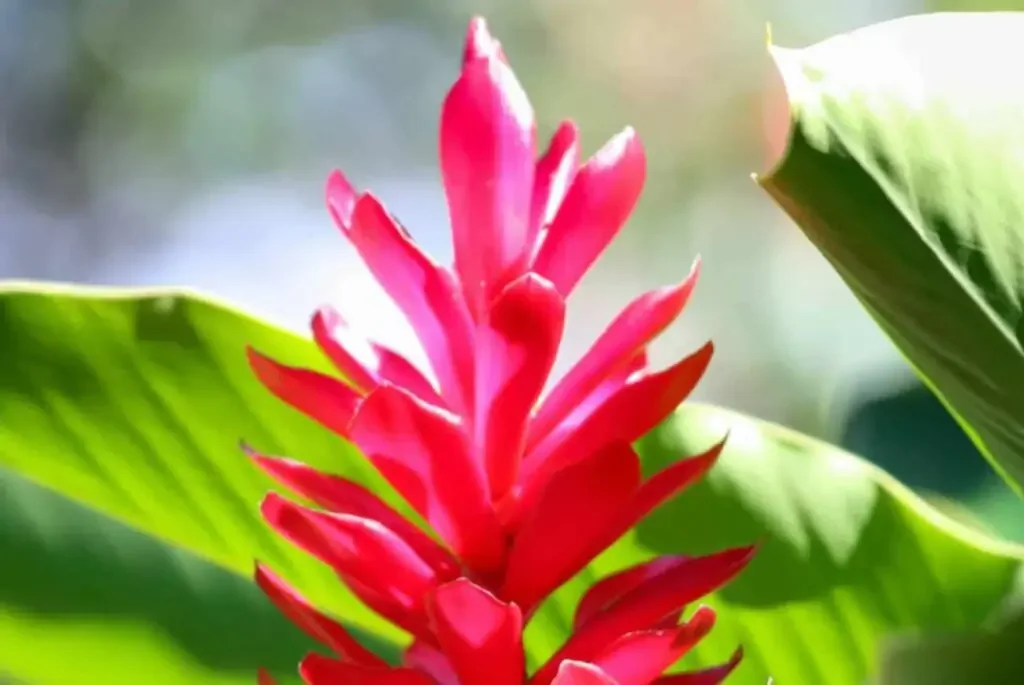
In a realm where light seldom penetrates and time appears to stand still, roots emerge that safeguard the secrets of transformation. Ginger holds a unique position; it is not merely a root, but an underground heart capable of regeneration, expansion, and preserving the plant's memory like a grimoire. For millennia, it has served as a medicine, a spice, and a spiritual symbol, traversing continents and magical traditions.
The name ginger evokes ancient origins, while its warm, pungent aroma evokes a solar nature. Unlike other herbs that calm, ginger ignites. It is akin to a dormant fire nestled within the earth.
In modern esoteric traditions, ginger is regarded as a root linked to the element of fire and vital life force. Many practitioners of natural spirituality and contemporary shamanism utilize it for its profound symbolic value. Ginger embodies the awakening of energy, courage, and determination. It is employed in rituals to stimulate willpower, encourage change, and overcome stagnation. Its warm and pungent nature signifies inner transformation and the ability to renew oneself. Energetically, it is often associated with activating personal forces, protecting against heavy energies, fostering prosperity and abundance, igniting creative passion, and purifying the aura through fumigation. Its symbolic strength lies not only in its intense aroma but also in its representation of movement, vitality, and transformation. It is frequently used as an ally in rituals dedicated to energy protection, prosperity, and strengthening will. Carrying a pinch of dried root is believed to symbolize the courage needed to face new challenges and maintain one’s intent. Ginger is also linked to the manifestation of desires. In certain esoteric practices, it is placed on an altar alongside a red or orange candle during meditation and rituals focused on personal growth, creativity, and abundance. Its presence signifies the fire that transforms intention into action.
For those on a spiritual path inspired by nature, this root can become a symbol of inner awakening. Holding it during meditation or placing it in a sacred space can serve as a symbolic gesture to invoke determination, clarity, and strength of spirit. Ginger as a magical ally reminds us that true magic arises from the union of intention, awareness, and respect for the earth. The plant thus becomes a bridge between the visible and invisible worlds, guiding practitioners on a journey of transformation and spiritual growth.
From an esoteric perspective, ginger is considered by many traditions as a root associated with fire, vitality, and the movement of energy. Its connection to vital force and energy makes it a root that "ignites" personal energy, promoting initiative, courage, and determination. For this reason, it is often used in rituals aimed at success or overcoming stagnant periods. It is utilized in protective rituals, believed to help repel negative influences and strengthen a person's energy field. It can be carried dried, placed in protective sachets, or burned as incense alongside other herbs. Some rituals involve using ginger powder to "activate" talismans or candles dedicated to prosperity. Because it is symbolically linked to fire, it is also used in practices aiming to awaken desire, personal magnetism, and self-confidence. In some spiritual paths, ginger is employed in ritual baths or infusions as a symbol of energetic cleansing and renewal.
In Western magical herbal traditions, ginger is classified as follows:
- Element: Fire
- Planet: Mars (for energy and courage), and in some schools, the Sun (for vitality)
- Color: Red
- Chakra: Primarily the solar plexus (willpower, self-esteem) and, according to some interpretations, the sacral chakra (creativity and passion).
A contemporary practice involves lighting an orange or yellow candle, holding a piece of ginger root in one’s hands, and clearly formulating an intention, such as: "May I act with strength and clarity toward my goals." Ginger thus becomes a tangible reminder of the commitment made. Its rich symbolism appears across various magical, folk, and spiritual traditions. Considered the root of movement due to its underground growth and spreading rhizomes, ginger is seen as a root that helps "unlock" stagnant situations, emotions, or projects, making it associated with new beginnings. It amplifies intentions; in some currents of modern esotericism, ginger is believed to not only have its own function but also to enhance the symbolic effect of other herbs such as cinnamon (prosperity), rosemary (protection and clarity), bay (success and realization), and basil (abundance and harmony). Its golden color and warm flavor link it to solar energy, vitality, joy, leadership, confidence, and the ability to manifest one’s goals. In some folk traditions, a ginger infusion is prepared to symbolically wash thresholds, doors, or floors with the intention of releasing heavy energies. Ginger is often associated with the winter solstice as a symbol of the return of light and warmth, representing domestic protection and prosperity for the new cycle. In dreams, receiving ginger may symbolize the arrival of new energy or opportunities, while consuming it can signify a desire to confront a challenge.
In the esoteric landscape, ginger primarily symbolizes energy, protection, prosperity, and transformation. Its meaning can vary depending on the school or path practiced.
“Every root holds a teaching. Ginger reminds us that the true fire is not the one that burns externally, but the one that illuminates the heart, awakens the spirit, and guides us on our journey toward our most authentic essence. May nature continue to guide your steps, in respect for the earth, ancestors, and the sacred present in every living being.”
- Scientific Name: Zingiber officinale roscoe
- Botanical Family: Zingiberaceae
- Common Name: Ginger
- Origins: Southeast Asia, cultivated in numerous tropical and subtropical regions worldwide
- Parts Used: Underground stem, consumed fresh, dried, and ground into powder
- Growth Habit: Perennial herb, reaching heights of 60-120 cm, with long leaves and flowering stems.
- Soil: Fertile, rich in organic matter, well-drained, and kept consistently moist.
- Exposure: Bright locations but sheltered from direct sunlight.