The Bath: Lee Miller's Defiant Act of Purification
Lee Miller's audacious act of bathing in Hitler's bathtub serves as a powerful symbol of defiance against the atrocities she witnessed during the Holocaust, showcasing her resilience and artistry.
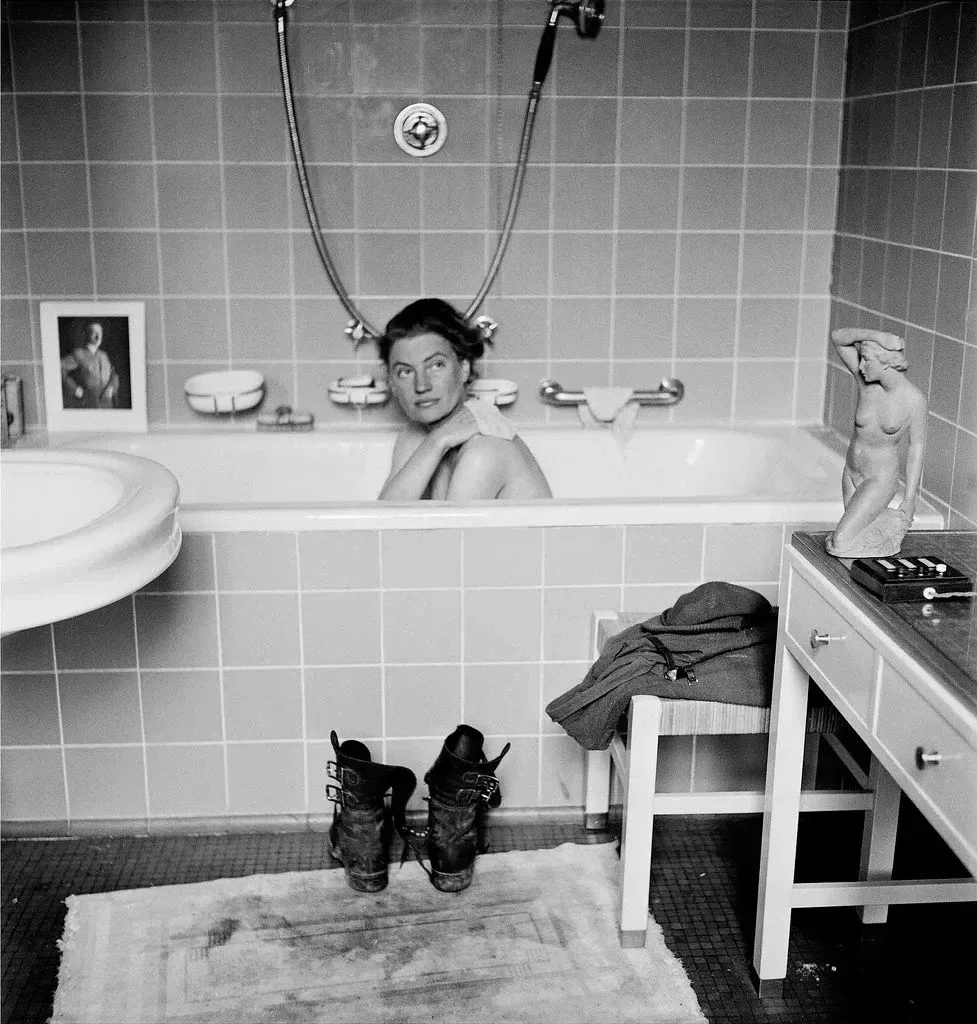
In a striking act of defiance, Lee Miller posed nude in the infamous bathtub of Adolf Hitler's Munich apartment, a moment steeped in both personal and historical significance. One cannot help but wonder how she found the courage to immerse herself in such a morally charged space after witnessing the horrors of the concentration camps. This audacious act serves as a powerful statement against the atrocities she had documented.
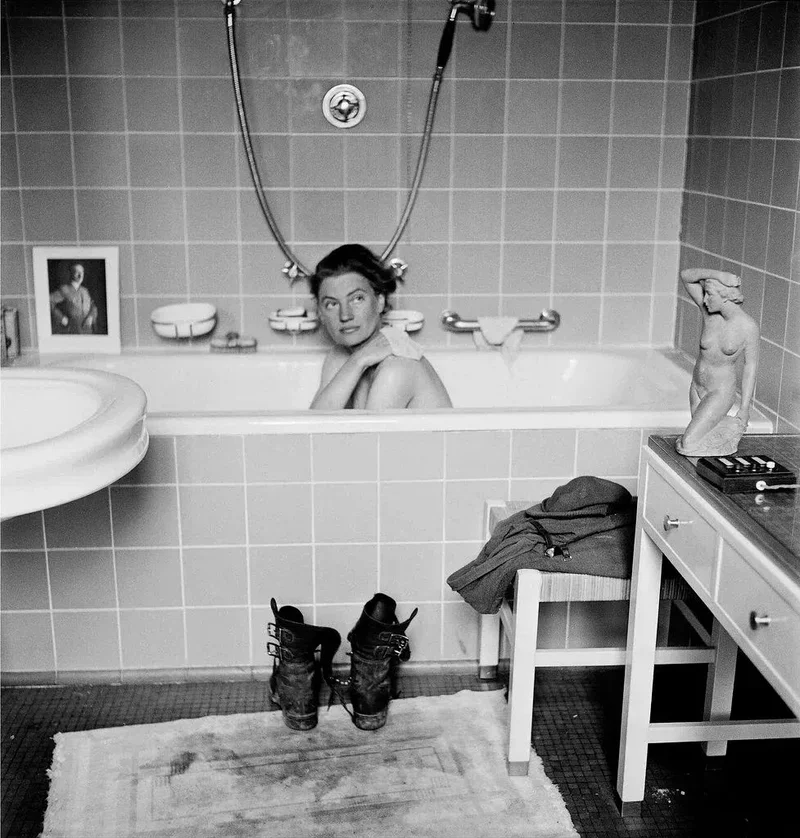
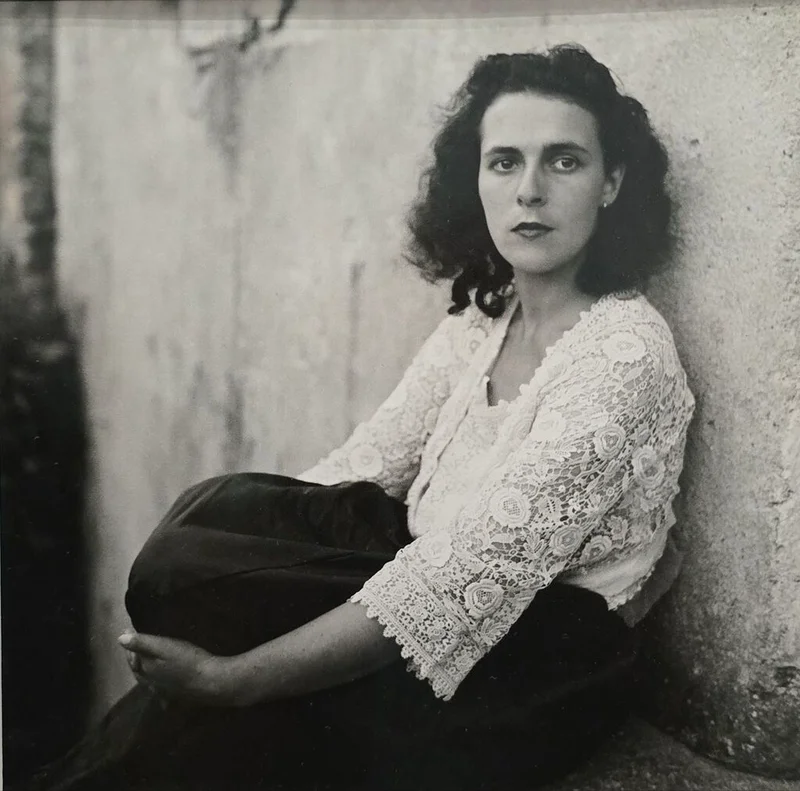
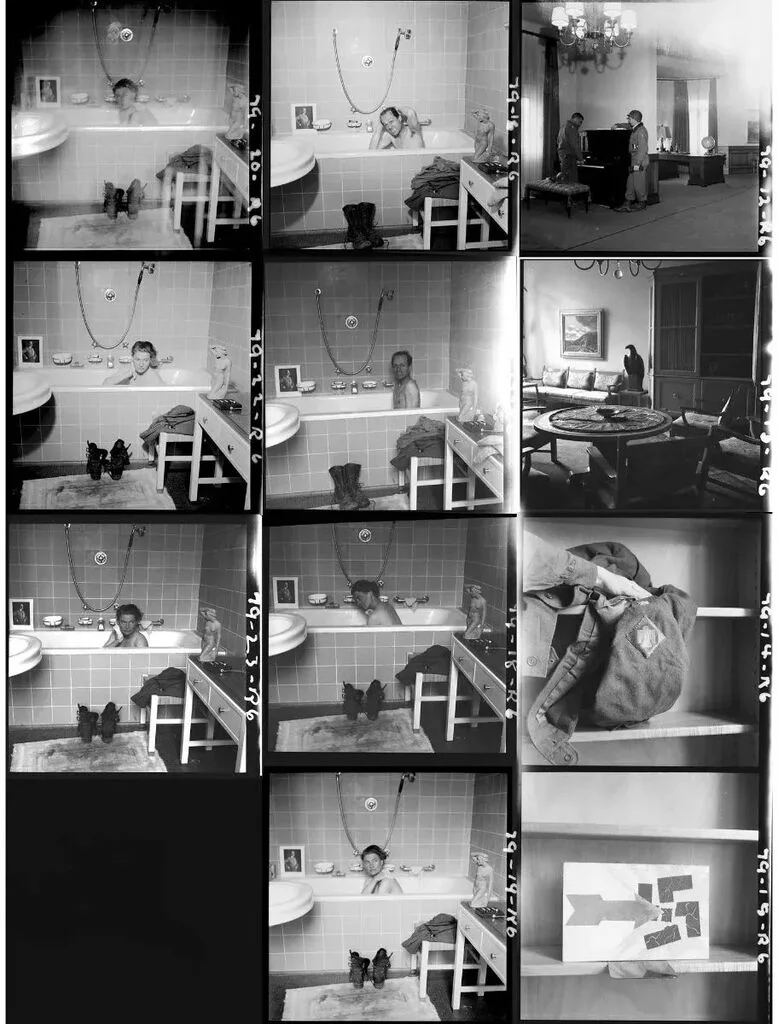
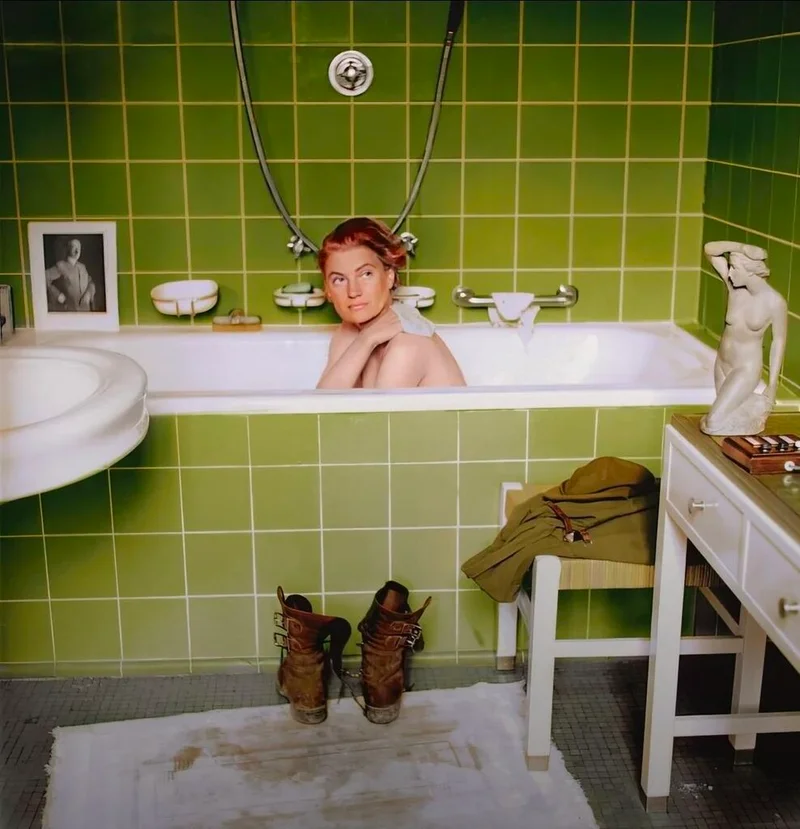
Miller, who excelled as both a photographer and a model, is the subject of a remarkable exhibition at the Museum of Modern Art. This showcase highlights her dual role, displaying both her own photographs and those in which she appears. Among the poignant pieces is a contact sheet from a photoshoot taken on April 30 or May 1, 1945, shortly after Hitler's suicide, capturing her bathing in the dictator's bathtub.
This iconic image was featured in Vogue, the magazine for which Miller worked, which also published harrowing photographs of the liberation of Buchenwald and Dachau. It was upon returning from Dachau, where she witnessed unspeakable atrocities, that Miller, alongside her colleague David E. Scherman, staged the bath scene. For Miller, this act was not merely about cleansing her body but also a symbolic purification from the dirt and horrors she had encountered.
At the foot of the bathtub lies a pair of muddy boots, a stark reminder of the grim reality she faced. The need for purification after witnessing such trauma is understandable; however, the deliberate staging of the scene elevates it to a powerful statement. It is a striking gesture of rebellion—a two-finger salute, if you will, directed at Hitler from beyond the river of hell.
This act of defiance is layered with meaning. The bathroom, stripped of its mythic grandeur, appears mundane and even ridiculous, adorned with ceramic tiles and various creams. The scene conveys a sense of victory, not through triumph but through disdain, as Miller, the victor, wipes her dirty boots on the linens of the fallen tyrant.
The imagery speaks to the resilience of life over death, with Miller's naked form reveling in the simple pleasure of a bath, juxtaposed against the lifeless portrait of the man who once wielded immense power. It represents a triumph of femininity over a grotesque masculinity, as Miller's sensuality contrasts sharply with the rigidity of her oppressor.
Ultimately, this moment encapsulates the victory of beauty over the grotesque, with Miller's image symbolizing a profound reclamation of agency in the face of evil. One cannot help but reflect on the bravery it took for her to occupy that space, to confront the haunting memories of the camps. The sheer audacity of her act raises the question: how did she muster the courage to cleanse herself in that cursed bathtub?
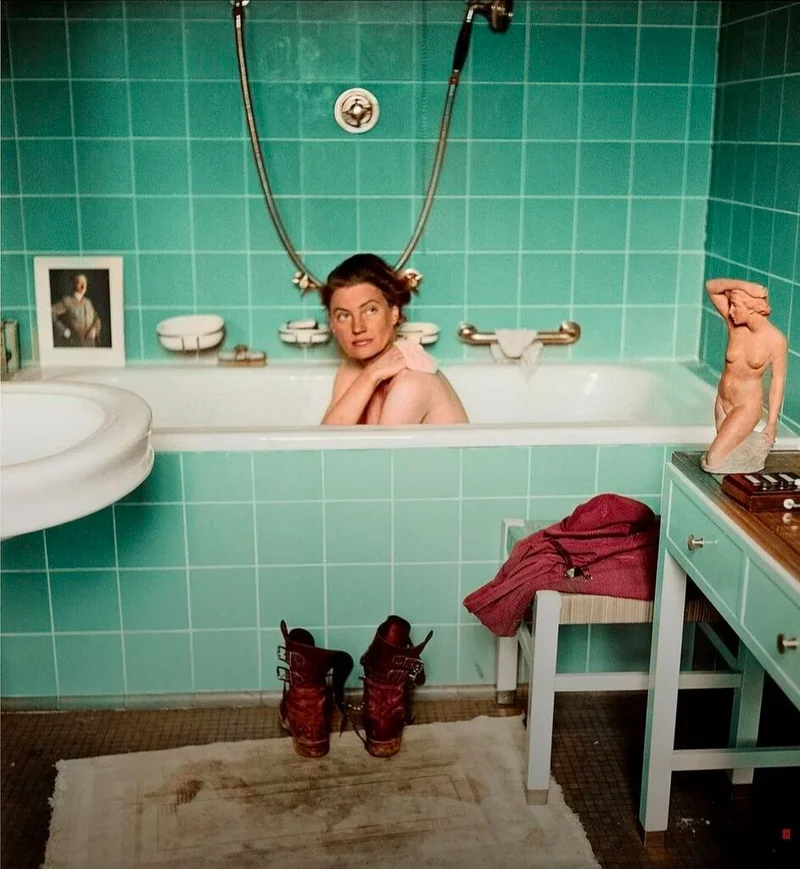
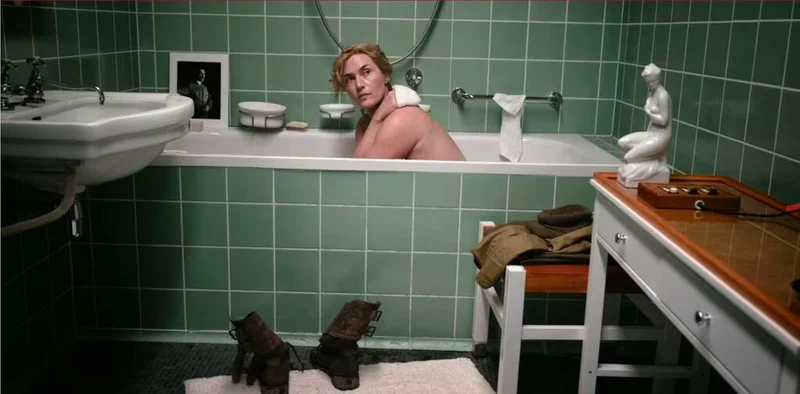
In a recent biopic, Lee Miller is portrayed by Kate Winslet, bringing renewed attention to this powerful narrative.
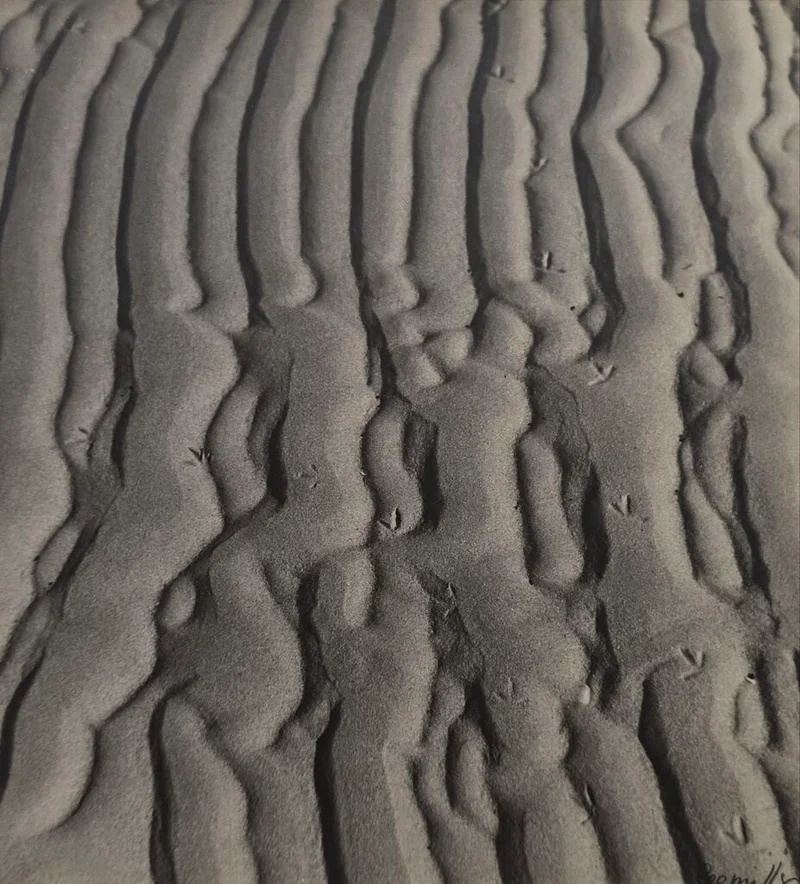
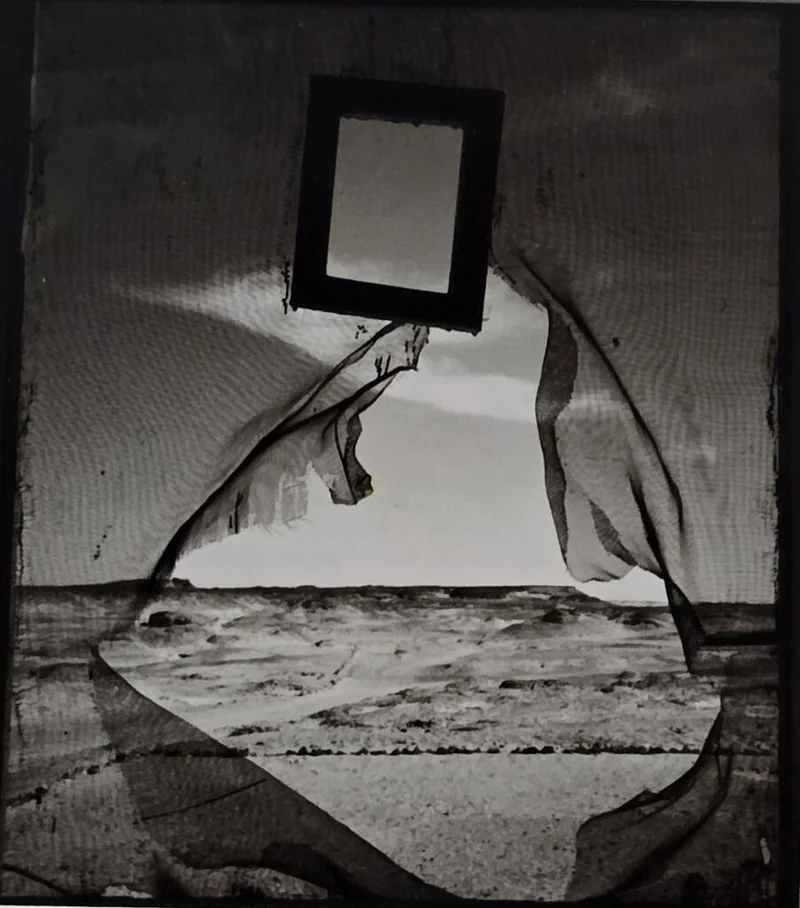
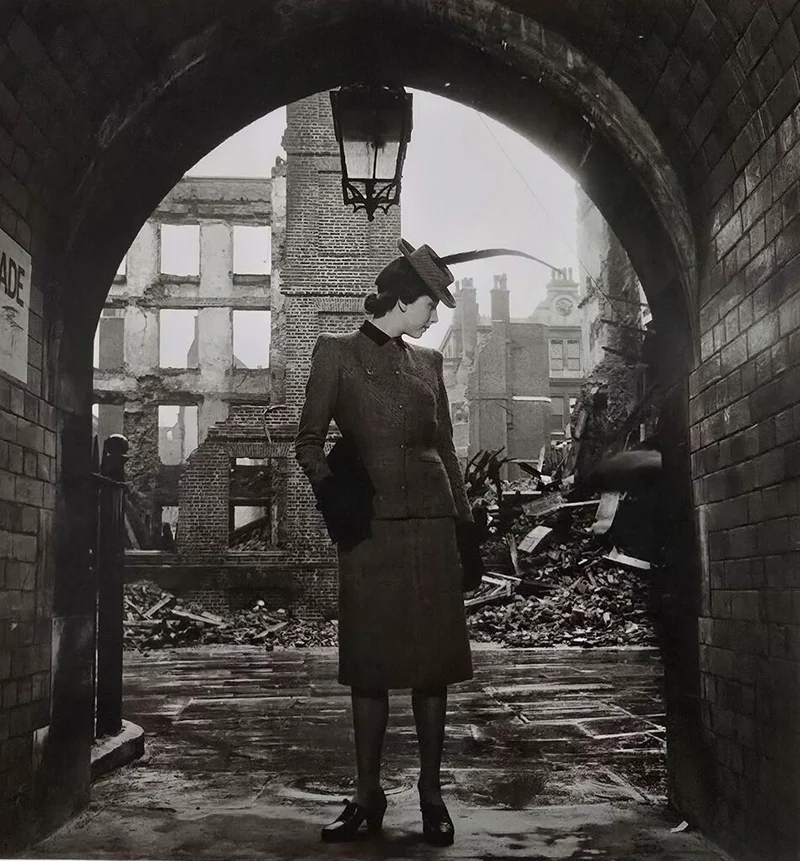
While the fame of the bathing photograph is well-deserved, it is crucial to remember the breadth of Miller's work. The exhibition features a collection of her stunning images, each telling a story of resilience and artistry.