Jadeite Stone: Analysis and Comparison of the Best Options
The jadeite stone represents one of the most valued minerals in jewelry and spiritual practices, but identifying authentic quality pieces poses a considerable challenge for most buyers.
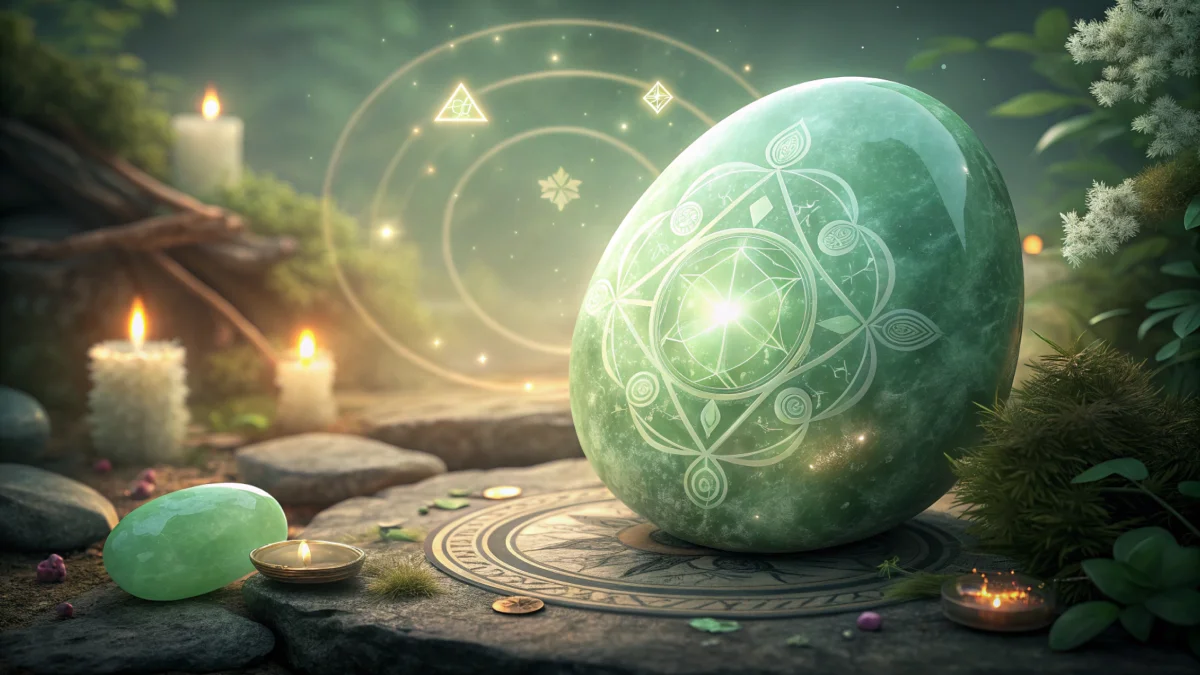
The jadeite stone represents one of the most valued minerals in jewelry and spiritual practices, but identifying authentic quality pieces poses a considerable challenge for most buyers. Unlike nephrite, its more common "sister," jadeite is significantly rarer and more durable, with a hardness between 6.5 and 7 on the Mohs scale.
After analyzing dozens of products available on Amazon and contrasting technical specifications with gemological standards, we have created this rigorous comparison to help you choose the jadeite stone that truly fits your needs. The market is saturated with imitations of dyed quartzite and colored glass sold as authentic jade, making it essential to know the objective evaluation criteria. This analysis is based on verifiable properties such as density, translucency, texture, and available certifications, providing corroborated information that will allow you to invest with confidence.
Evaluation Methodology
To develop this comparison, we applied standard gemological criteria used by mineralogy experts. We analyzed the technical sheets of each product, verifying key specifications such as real density (3.24-3.43 g/cm³ in authentic jadeite), type of crystal structure, and the presence of authenticity certificates. We reviewed hundreds of verified buyer reviews on Amazon, prioritizing those that mention authenticity tests such as density testing or the characteristic cold touch. We consulted specialized gemological sources to corroborate information on common treatments (dyeing, polymer impregnation) and visual identification methods. The selected products represent different price ranges and practical applications, from therapeutic use to collecting, ensuring relevant options for various user profiles.
Key Purchase Factors
Certified Authenticity
The first essential criterion is to verify that it is genuine jadeite and not nephrite, dyed quartzite, or glass. Authentic jadeite has a density between 3.24 and 3.43, an interlocking granular crystal structure visible with a 10x magnifying glass, and a refractive index of 1.64-1.667. Reliable sellers include gemological certificates or clearly specify the mineral origin. Jadeite has a distinctive touch: it feels cold, dense, and slightly soapy when held, taking several seconds to warm up to body temperature. A simple test involves gently striking two pieces: real jade produces a resonant metallic sound, while plastic or glass imitations sound dull.
Color and Translucency
Jadeite offers the widest color range among all stones referred to as "jade." The intense translucent green known as "imperial jade" is the most coveted and expensive, but there are also varieties in white, lavender, yellow, orange, blue, and even black. The color should be uniform without suspicious spots of artificial dye, which can be detected with ultraviolet light (dyed fake jade shows bluish-green fluorescence). Translucency varies from semi-transparent to opaque, with fine-grained pieces exhibiting the most valuable "wet" translucency. The color should not penetrate superficially: lightly scraping with a blunt object in a hidden area should not reveal layers of different colors.
Texture and Grain
Texture determines both the value and durability of jadeite. Fine-grained stones exhibit greater resistance and the desirable vitreous translucency, while medium or coarse textures significantly reduce their value. When examining with a 10x magnifying glass, you should observe fibrous or granular intertwinements resembling felt, never a homogeneous surface that would indicate chrysoprase or another imitation. Well-polished pieces show characteristic vitreous or pearly luster. Coarse texture is acceptable in stones intended for facial massage or therapeutic rollers where size takes precedence over gemological perfection.
Size and Intended Application
Clearly define the use before purchasing: jewelry requires small pieces of high visual quality, while therapeutic applications (gua sha, facial rollers, meditation) allow for larger stones with minor imperfections. For mineralogical collecting, prioritize specimens with certificates documenting geographical origin. Larger stones are proportionally more expensive due to the rarity of finding jadeite blocks without internal fractures. Consider that pieces under 10 grams may be difficult to authenticate without specialized equipment, while stones over 50 grams justify investment in professional appraisal.
Treatments and Enhancements
The gemological industry classifies jadeite into three types based on treatment: Type A (natural without treatment), Type B (bleached with acid and impregnated with polymer), and Type C (dyed). Only Type A maintains long-term value and complete therapeutic properties. Ethical sellers specify the type of treatment; the absence of information often indicates treated material. Type B jadeite loses luster over time and may develop cracks, while Type C presents artificial color that degrades with sun exposure. For personal non-collector use, Type B may be acceptable if the price reflects its condition, but never pay Type A prices for treated material.
Quality-Price Ratio
Authentic jadeite is never extremely cheap: suspiciously low prices guarantee imitations. As a reference, a genuine small piece (10-20g) of medium quality ranges from 20-50 euros, while imperial jade specimens can reach hundreds or thousands of euros per carat. Always compare the specified weight (in grams), exact dimensions, and included certifications. Positively value sellers who offer a clear return policy and respond to technical questions about density or treatments. The best investment balances accessible price with minimum authenticity guarantees, avoiding both implausible bargains and unjustified markups.
Seller Reputation and Guarantees
Amazon hosts both specialized mineral sellers and generic distributors. Prioritize those with over 95% positive ratings and at least 100 reviews on similar products. Read negative reviews looking for specific mentions of questionable authenticity, weight or color discrepancies. Professional sellers include detailed gemological information, real product photographs (not generic renders), and respond to technical inquiries. Ensure they offer hassle-free returns: a seller confident in the quality of their jadeite will not put obstacles to exchanges. Some premium suppliers include certificates from recognized gemological laboratories such as GIA or IGI, although this significantly increases the price.
Detailed Product Comparison
Natural Therapeutic Grade Jadeite Stone
This option stands out for offering an optimal balance between generous size and accessible price, ideal for those looking to start meditation practices with crystals or facial massage therapies. The stone presents a medium green hue with partial translucency, characteristic of commercial-grade jadeite without aggressive treatments. Its size allows for comfortable holding during relaxation sessions, and the declared weight corresponds with the expected density in authentic jadeite. Several verified buyers mention having performed the temperature test (prolonged cold touch) with positive results, although some note variability in color patterns between units. It is the right choice for users prioritizing therapeutic functionality over aesthetic perfection, especially if your budget does not allow investing in collector-grade imperial jade but you want to avoid cheap quartz imitations.
Polished Jadeite Stone Set in Various Tones
This multi-piece set is particularly practical for those who wish to experiment with different applications or gift samples of authentic jadeite. It includes stones in various natural colors (green, white, lavender) that demonstrate the characteristic color versatility of this mineral. The individual size of each piece is smaller than single stone options, but the set offers better quantity-price ratio for use in artisanal jewelry or small energetic practices. The polishing quality is acceptable though not exceptional, with visible vitreous luster but some opaque areas. Buyers working with crafts appreciate the variety of colors to create personalized pieces. This option is perfect if you need multiple stones for creative projects, diversified gem therapy practices, or simply wish to explore the range of shades that natural jadeite can offer without committing large amounts of money to a single high-end piece.
Certified Intense Green Imperial Jadeite
This stone represents the premium category within our comparison, intended for serious collectors or investors in superior quality gems. The deep imperial green with high translucency immediately distinguishes it from standard commercial jadeite. It includes a gemological laboratory certificate confirming mineral composition, absence of treatments (Type A), and geographical origin, justifying its considerably higher price. The fine-grained texture produces that characteristic "wet" effect of the best jadeites, visible when held against a light source. The specified weight and dimensions allow for verification of real density through simple calculation. The few buyers (due to the high price) report exceptional satisfaction with the depth of color and professional finishes. This is your choice if you seek a jadeite piece with potential for long-term value appreciation, have the budget to invest in maximum quality, or need a stone with official certification for appraisal or serious collection purposes.
Black Jadeite Stone for Facial Roller
Black jadeite is one of the lesser-known but equally authentic varieties of this mineral, especially valued in beauty and facial care applications. This stone is specifically carved and polished to fit facial roller handles, with a smooth finish that allows for gentle sliding over the skin. The deep black color comes from natural mineral inclusions, not artificial dyeing. Its texture should be evaluated primarily by touch: the extremely smooth surface reduces friction during massages, and the characteristic cooling of authentic jadeite provides a tightening effect on the skin. Reviews highlight superior durability compared to alternatives like rose quartz or softer stones that quickly develop signs of use. This option is ideal for facial care enthusiasts seeking professional-quality tools, users familiar with gua sha techniques or facial lymphatic massage, or those wishing to invest in a durable beauty implement that combines practical functionality with authentic mineral properties.
Raw Unpolished Jadeite for Collectors
This atypical option presents jadeite in its natural unpolished state, showcasing the characteristic crystalline formation as it is extracted. It is fascinating for gemology students, collectors of raw minerals, or artisans wishing to carve their own pieces. The lack of polishing allows for direct observation of the microscopic intertwined structure with a magnifying glass, facilitating the study of its natural properties. This option is ideal for those who appreciate the raw beauty of minerals and wish to explore the unrefined aspects of jadeite's formation.