The Journey of Healing - Mysticism in Life
Exploring the journey of healing through mysticism, understanding the importance of connecting with our wounds while maintaining a sense of control and relaxation.
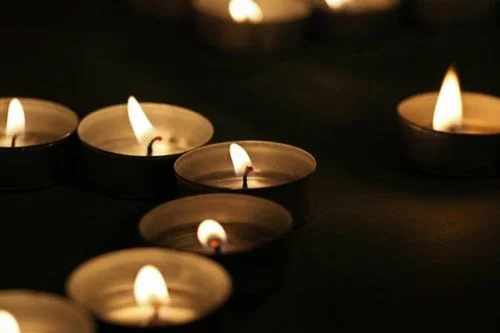
In our lives, it is likely that we have all encountered injuries and wounds. Unfortunately, the experience of being hurt is a part of our existence. Others often overstep our boundaries, disappoint us, or impose their will upon us, compelling us to learn how to navigate these experiences.
Each individual carries their own wounds from life. I, too, have traversed this path. Reflecting on my own journey – my childhood was not always easy – I can affirm that I have learned to coexist with many injuries and I am still in the process of healing old wounds.
Throughout my life, I have acquired numerous methods and techniques aimed at supporting others. I assist individuals grappling with specific injuries stemming from past experiences that they struggle to overcome. These lingering issues often cast a shadow over one's existence, typically in a negative way.
Perhaps you resonate with this feeling? The desire to break free, to be constructive, to feel good, to shape life, enjoy it, and move forward is universal. Facing these wounds is vital, especially on your spiritual journey.
What is the Great Secret of Healing?
In my exploration of various healing modalities, I have pondered: what is the essence of it all? What do these diverse schools and therapies fundamentally propose?
While they differ in approach, there are two key concepts that emerge across many disciplines, playing a crucial role in the healing process. Some may not articulate them directly, yet they are undeniably present.
I wish to introduce these two elements, as they can reveal much about how healing can occur, even on a spiritual level. What are these two aspects that must converge for healing to unfold almost effortlessly?
1. Connecting with Your Wound – the Right Way
The first aspect is that you must somehow connect with your wound. This means allowing yourself to feel the emotion of pain and understanding what this pain is trying to communicate. A wound often carries a message about yourself. Exploring and comprehending this is a crucial first step.
However, caution is necessary: it is not about being overwhelmed by the emotions tied to the wound.
Feelings of anger, rage, powerlessness, or extreme vulnerability encapsulated within the wound can be incredibly overwhelming. At times, having support is essential to prevent you from becoming engulfed by these feelings and losing yourself in past experiences. It is vital to remain anchored in the here and now.
Being entirely consumed by pain is detrimental. That leads to trauma, which must be avoided.
Nevertheless, without connecting with the wound, healing cannot commence.
Some wounds are so deeply buried that you may not even feel them, even though their negative impacts are palpable. Until you confront the pain at this profound level, it is challenging to process it. You will need to work toward feeling it again to facilitate any resolution.
Thus, you must engage with your wound in a way that allows you to remain empowered and capable of setting it aside.
This is crucial. You need the impression that you can manage it. You can bring forth this pain, activate it, but also set it aside because it must not take control. Maintaining a sense of control is incredibly important for those who are wounded or traumatized.
This is the first component: you connect with the feeling – either through support or when the emotions are present but manageable. This is a vital prerequisite for healing.
2. Being Relaxed and Calm While Feeling Pain
The second point must complement the first, and it may seem almost contradictory: at the moment you connect with your emotion and your wound, it is essential to be in a relaxed and calm inner state.
How can this be achieved?
Those who are wounded and feeling pain are typically not relaxed. This is indeed the paradox of healing. However, both elements are incredibly important for successful healing.
This involves a form of self-regulation. The great secret lies in the combination of connecting with the wound and maintaining an inner attitude of relaxation and safety. When these two come together, there is a significant chance that something within you can heal. Many therapies attempt to facilitate this in various ways.
When you seek the help of a therapist, ideally, you will eventually build trust. You can settle into a chair, feel secure, and have someone present to assist you. You can relax and let go. You need not enter a state of hyperarousal, which is often common among traumatized individuals.
Through this therapeutic relationship, you can approach the wound while simultaneously remaining relaxed. Therefore, the relationship is one of the most vital factors in therapy.
Engaging with the wound while remaining relaxed. This can be practiced through pendulum movements: approaching the wound, feeling it is too intense, and then stepping back, only to return again.
What Does This Mean for Your Spirituality?
Spirituality or the spiritual life also aims to accompany you on the path to healing and possesses the potential to do so. But what is required for this?
It requires precisely the same elements.
It is crucial that you can relax in the presence of the divine. I do not mean relaxation in the sense of taking a brief rest to recharge. It is about a deeper inner feeling of:
I am safe. I belong here. Nothing harmful will happen to me.
I can turn toward feelings of fear, worry, or sadness without being overwhelmed by them. I can relax and be present without feeling judged in this context.
This is how spirituality should manifest. It must not create a sense of constant surveillance or a looming judgment from a higher power scrutinizing everything. That does not help. That does not heal.
Healing occurs when you are in a divine space where you can truly relax, where no excessive demands are placed upon you, and where you are allowed to be exactly as you are.
Some individuals may tend to escape. They might say, "Oh, spirituality is a wonderful place where I can flee. It’s all love, happiness, and bliss." This is escapism.
Yet it can serve as a foundation if you simultaneously acknowledge: "And here is my wound, which I am currently feeling."
In this sacred space of spirituality and the divine, where you are permitted to settle down and where all tension can release, you can examine your wound. In this way, spirituality can contribute to your healing.
It does not serve you if you only perceive everything as beautifully idyllic while ignoring the harsh realities of the world. Healing occurs only when you integrate both:
- The reality of your life with all its dark, wounded facets.
- The glory of the divine.
This divine glory must allow you to relax deeply. You must be able to find peace and be fully present.
This is a crucial assessment for your spirituality: Does it help you to relax? Does it allow you to breathe? Or does it merely impose a new standard, a way to be better? Reflect on this.
A Compassionate Look at What Remains
Of course, not every wound heals. This is a reality we must acknowledge. Some wounds are so deep that they may have originated before birth. In such cases, these steps may not provide fundamental support.
However, what remains consistently beneficial is to approach your wounds with compassion and love.
Do not identify with them, but rather observe them from a distance. Turn toward your woundedness, your sensations, and your feelings. This is always beneficial, especially for wounds that are so ancient and deep that they may never fully leave you.