Exploring the Interconnectedness of Nutrition and Work in Modern Society
Explore the interconnected themes of nutrition and work in the latest episodes of Terra X, hosted by Mirko Drotschmann, as they examine historical developments and future implications.
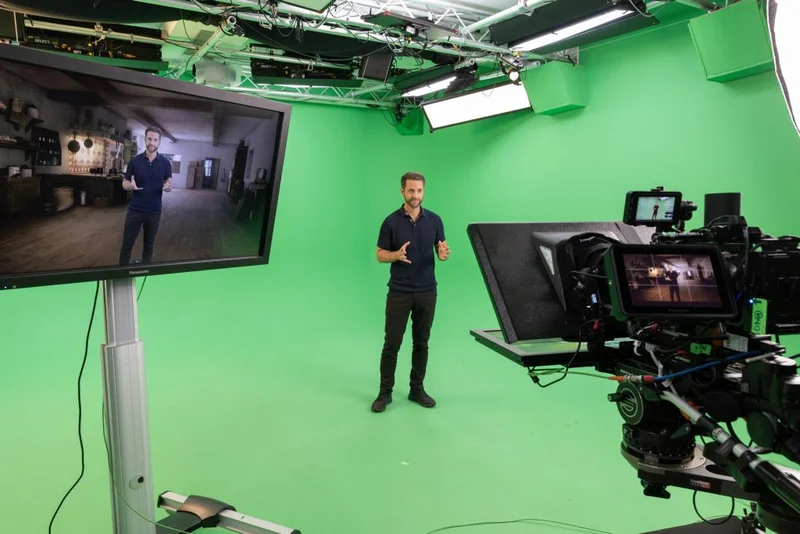
As humanity faces the challenge of sustaining billions while preserving health and the environment, two new episodes of "Terra X: What Keeps the World Running" delve into the pressing issues of nutrition and work. Hosted by Mirko Drotschmann, these documentaries intertwine historical developments with contemporary scientific insights. The episodes are available for streaming and will air on ZDF on August 16 and August 23, 2026.
The series investigates pivotal changes that have shaped human existence, not only reflecting on historical inventions and societal upheavals but also considering their lasting impacts and future implications. Previous installments, presented by Harald Lesch, focused on energy, communication, and mobility, while Drotschmann's episodes hone in on nutrition and work—two domains that significantly affect every individual.
Upcoming Broadcast Schedule
ZDF will air the two new documentaries on consecutive Sundays:
- "What Keeps the World Running – Nutrition": Sunday, August 16, 2026, at 19:30
- "What Keeps the World Running – Work": Sunday, August 23, 2026, at 19:30
For those eager to watch, both episodes have been available on the ZDF streaming portal since August 12.
The Essence of Nutrition in Our Future
The first episode explores the evolution of food production and distribution throughout human history. It traces the journey from traditional preservation techniques to modern, highly technological farming practices. Drotschmann examines the implications of processed foods on human health and the environment, viewing nutrition as a global system intertwined with agriculture, industry, trade, and food waste.
Preservation Techniques: A Historical Perspective
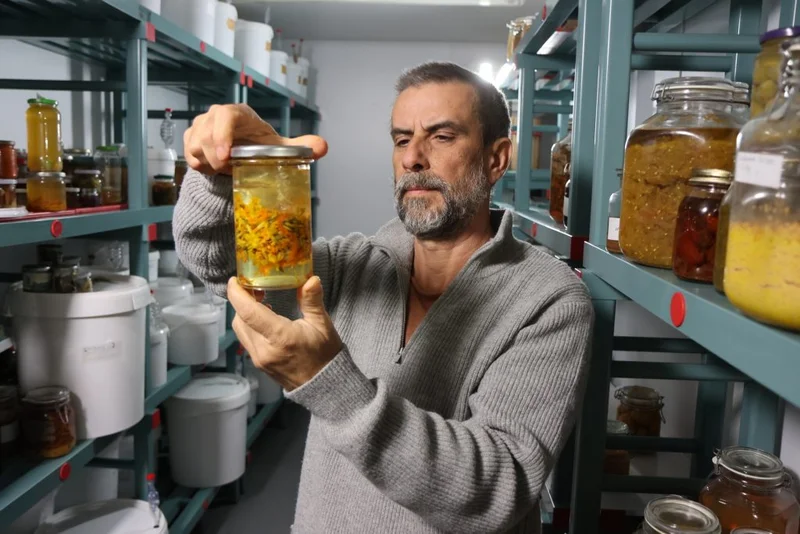
The challenge of preserving food is among humanity's oldest concerns. Before the advent of refrigeration and industrial packaging, people relied on methods such as cooling, salting, and fermentation to extend the shelf life of food. These techniques not only transformed diets but also influenced trade and societal structures.
With the development of cold chains, canned goods, and industrial production methods, a global food economy emerged, allowing products to be transported over vast distances. However, this complexity brings challenges, including increased energy consumption, packaging waste, and food loss.
The Impact of Processed Foods on Health
Another focal point of the documentary is the rise of highly processed foods. These products, often laden with numerous ingredients and additives, raise concerns about their health effects. The film investigates how societies have shifted away from regional and seasonal diets, highlighting the benefits of local and seasonal eating as explained by Anja Bosy-Westphal, an expert in nutritional medicine from the Christian-Albrechts-University in Kiel.
Innovations in Agriculture: Indoor Farms and Research
The episode also showcases innovative alternatives to traditional food production. Drotschmann visits an indoor farm where vegetables are grown in controlled urban environments, aiming to reduce dependence on weather and long transport routes. The feasibility of scaling such operations sustainably remains a critical question, particularly regarding their energy requirements.
Additionally, a research farm employs precision agriculture techniques that utilize data and automated processes to optimize the use of fertilizers and pesticides. While these technologies promise increased efficiency, they also raise concerns about reliance on major tech providers and the affordability of such systems.
The Evolution of Work: From Industrialization to AI
The second episode of the series addresses the concept of work, which structures daily life, secures income, and influences societal recognition. The nature of work has undergone radical transformations over time, particularly during the Industrial Revolution, when machines revolutionized production methods while exposing workers to challenging conditions.
The documentary highlights historical labor struggles, including the fight for weekends off by brewery workers in Stuttgart in 1903, marking early steps toward regulated labor rights.
The Role of Guilds in Shaping Labor
Historically, guilds played a significant role in determining who could practice trades, setting standards for training and quality. While this system provided economic security, it also restricted competition and access to certain professions. As industrialization progressed, the importance of guilds diminished, paving the way for factories and wage labor, which reshaped society.
The Future of Work: Automation and AI
Today, workers face another wave of technological change, as computers, robotics, and artificial intelligence take over tasks traditionally performed by humans. Drotschmann visits a robotics training center where AI-driven robotic hands learn to replicate movements for future automation.
The critical questions extend beyond whether machines will replace human jobs; they also encompass how existing roles will evolve, what new skills will be required, and who will benefit from increased productivity. While technological advancements can alleviate workers from hazardous or monotonous tasks, they may also threaten job security and increase pressure on workers to adapt.
The Burden of Modern Work
Despite the conveniences brought by technology, the modern workplace has become faster, more complex, and more interconnected. The pressures of digital connectivity, growing information overload, and tightly scheduled workflows can lead to new stressors. The documentary raises the question of whether the labor rights achieved over the past two centuries are now at risk.
Nina Kleinöder, a professor at Otto-Friedrich-University Bamberg, contextualizes the transformation of work, noting the correlation between increasing complexity and rising burnout rates.
Changing Gender Roles in the Workforce
The narrative also explores how women are breaking into traditionally male-dominated fields, as Drotschmann accompanies two women on their trades and visits a young mother working as a long-haul truck driver. These stories illustrate that the workforce is shaped not only by technological advancements but also by evolving societal expectations and access to various professions.
The interplay between tradition and innovation demonstrates that both can coexist within a modern work environment.
The Interconnection of Nutrition and Work
At first glance, nutrition and work may seem like separate domains. However, they are deeply intertwined. Advances in agricultural technology have reduced the number of workers needed for food production, while industrialization shifted labor into urban settings. Today, automation and AI threaten to eliminate or fundamentally change certain jobs.
The documentaries invite viewers to reflect on the intricate relationships between our food systems and labor markets, urging a deeper understanding of how these elements shape our lives and our future.